Find the best hiding spots to reduce stress, promote natural behaviors, and enhance tank aesthetics. This guide features five well-made cave and hide options suitable for bettas, gouramis, shrimps, small terrariums, and mixed habitats. Each choice is evaluated for ease of use, safety, and how it fits into compact or larger setups. Ideal buyers include nano tank keepers, terrarium hobbyists, and any owner wanting visually realistic shelter that doubles as decor. The following table highlights key differences at a glance.
| Product | |||
|---|---|---|---|
| Aquarium & Terrarium Corner Underground Cave – Faux Mangrove Root Hideout | Small tanks and terrariums, natural look | PLA (eco-friendly, non-toxic) | 7.5″ x 7.5″ x 4″ |
| JIH Aquarium Decorations Resin Hollow Tree Trunk Ornament | Nano bettas and guppies, decorative realism | Resin | Compact trunk shape |
| Ameliade Aquarium Decorations Cave Rock | General hides, multiple placements | Ceramic | Medium size |
| JIH Ceramic Rock Shelters | Shrimp habitats, breeding tubes, caves | Ceramic | Stackable, modular |
| JIHAQUA Terrarium Decor Reptile Hide | Terrariums and aquatic-terrestrial blends | Resin | Medium |
| Orchid Valley Large Hollow Log Hide | Bearded dragons, geckos, large fish habitats | Polyresin | XL size |
| Fnaumdol Aquarium Decorations Cave | Small tanks, betta and shrimp hides | Resin | Small decor cave |
| FROSTO Corner Underground Cave – Desert Tan | Corner-friendly hides, terrarium-ready decor | PLA | 7.5″ x 7.5″ x 4″ |
Aquarium & Terrarium Corner Underground Cave – Faux Mangrove Root Hideout

Best for compact corners, this cave hides multiple small pets while blending with natural decor. Made from plant-based PLA, it avoids BPA and harmful additives, making it suitable for both aquatic and terrarium use. The corner design maximizes space in tight tanks or terrariums and adds depth to the scene. Choose this if you want a subtle, eco-friendly hide that doubles as realistic ornamentation.
Who it’s best for: hobbyists with limited tank footprint who value a seamless, natural look. Limitation: PLA-based material may require gentle handling to avoid chipping in very active habitats.
JIH Aquarium Decorations Resin Hollow Tree Trunk Ornament

Best for nano tanks needing a realistic tree-stump shelter. Resin provides vivid bark-like texture and durability for long-term display. The hollow interior offers a cozy hide for small fish such as bettas or guppies. This decor adds a tactile focal point and can enhance the aquascape with a woodland vibe.
Who it’s best for: small tanks seeking naturalistic structure without heavy weight. Limitation: Resin decor can be rigid; ensure clearance for larger inhabitants to avoid tangling with edges.
Ameliade Rock Decor Cave for Shrimp and Small Fish

Best for creating a natural stone look in the tank while providing shelter and spawning spots. Ceramic construction offers a water-filtering impression and odorless operation, aligning with eco-friendly goals. The hollow cave design supports privacy and a visual contrast to bright substrates, enriching the display.
Who it’s best for: keepers who want a naturalistic stone texture with functional hiding spaces. Limitation: Ceramic may be more brittle than resin; handle with care during setup.
JIH Rock Shelters Ceramic Hiding Cave

Best suited for shrimp habitats and breeding setups, this ceramic cave doubles as a filtration-friendly shelter due to its porous surface appearance and structure. The modular design allows stacking and arranging to create layered hideouts. The natural coloration helps blend with realistic substrates.
Who it’s best for: hobbyists who want stackable, multiple hides to create a larger shelter system. Limitation: Ceramic shapes can be heavy and may require placement planning to prevent tipping in taller setups.
JIHAQUA Terrarium Decor Reptile Hide

Best for terrariums and mixed habitats needing privacy, humidity retention, and shelter for shedding or egg-laying. The natural rock appearance blends with terrestrial decor and supports a humid microclimate. It is stable and less prone to tipping, making it suitable for larger reptiles and calm smaller terrarium inhabitants.
Who it’s best for: terrarium keepers seeking a natural-looking hide that also contributes to microclimate stability. Limitation: Resin-based hides may require careful cleaning to avoid residue buildup in humid enclosures.
Orchid Valley 14″ Hollow Log Hide
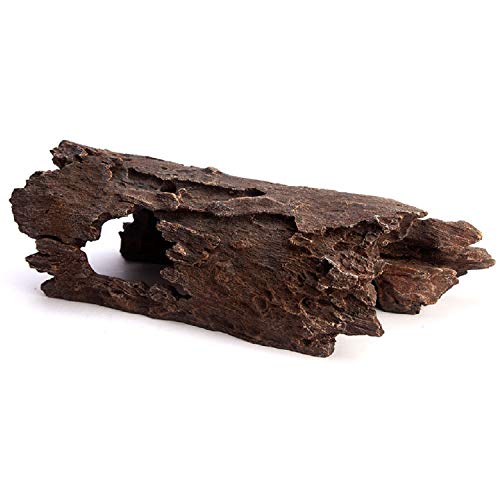
Better for larger terrariums or aquarium habitats that accommodate an extra-long hide. Made from non-toxic polyresin, this log features open ends and peek holes to encourage exploration. Its size and climbing-friendly exterior support enrichment for reptiles or big fish seeking a secure retreat.
Who it’s best for: keepers needing a dramatic, long hide that doubles as a climbing feature. Limitation: Large footprint may dominate small tanks; ensure space planning before purchase.
Fnaumdol Cave Ornament for Fish and Reptiles

Best for small tanks needing multiple entry points and a minimalist natural look. Resin construction with five hole openings provides easy access for fish to explore, rest, and hide. The compact design helps maintain open swimming space while offering shelter.
Who it’s best for: small setups that prioritize accessibility and visual simplicity. Limitation: Smaller size may not suit larger or bolder tank inhabitants seeking bigger hiding areas.
Buying Guide: Key Considerations For Choosing Aquarium Caves And Hides
What materials matter and why?
Common materials include resin, ceramic, and plant-based PLA. Resin is durable and highly detailed but can be heavier. Ceramic offers natural aesthetics and subtle filtration-like texture but is more brittle. PLA is eco-friendly and safer for water exposure, yet may require gentler handling. Consider your tank inhabitants and cleaning needs when choosing material.
What tank size and layout affect your pick?
For compact tanks, corner or small hollow designs maximize space without crowding swimming areas. Medium and large hides work well in mixed terrariums or be-dove tanks, especially when you want multiple hides or a stacked arrangement. Always verify clearance to ensure pets can move freely.
How important is the hide’s texture and look?
A natural texture that mimics wood, rock, or mangrove roots helps integration with substrates and plants. Realistic coloring reduces stress by creating familiar spaces. If you prefer a uniform look, choose a hide that blends with your substrate and decor; for a focal point, pick a more contrasting design.
Are there safety and maintenance considerations?
Non-toxic finishes are essential for aquatic life and in terrariums. Check for smooth interiors to prevent snagging fins or fins and ensure easy cleaning. Some hides are hollow with access holes; ensure there is enough airflow and rinse these areas routinely to prevent algae buildup.
How many hides should you place?
In community tanks, multiple hides reduce aggression by giving each inhabitant a private retreat. In terrariums, one hide per territory plus a central open area can balance exploration and security. Modular designs offer flexible layouts as your setup evolves.
FAQ
- What is the best material for a shrimp tank hide? Ceramic and resin hides both work well; ceramic blends with natural aesthetics and can support moisture, while resin offers durable shapes and easier cleaning. Choose based on your tank’s humidity and cleaning routine.
- Can these hides be used in terrariums as well as aquariums? Yes. Several options are designed for mixed habitats, providing privacy, humidity control, and shelter for terrarium dwellers as well as fish.
- Do these hides affect water quality? Most are inert when cured and designed to be safe for aquatic life. Always rinse new decor before placing it in the tank and monitor any changes in water clarity after introduction.
- How many hides should I place in a small tank? In a small tank, one or two hides are usually enough to offer retreat options without crowding swimming space. Add more as the tank’s inhabitants increase or as space allows.
- Are corner designs better for small tanks? Corner designs save space and align with wall boundaries, creating a natural shelter without obstructing central swimming area. They are especially useful in nano tanks.
- What maintenance tips improve longevity? Rinse hides periodically, remove any algae buildup, and check for cracks or loose pieces. For ceramic and resin, avoid abrasive cleaners that could dull textures or finishes.