When choosing treatments for aquarium fish, understanding how to target infections and parasites without disrupting the tank’s balance is essential. This guide highlights five reputable products commonly used to address bacterial infections, parasites, and stress-related issues in freshwater and mixed tanks. Each product section covers its intended use, mechanisms, and practical application to help hobbyists compare options and apply them responsibly.
| Product | Brand | Primary Use | Format |
|---|---|---|---|
| Seachem MetroPlex | Seachem | Metronidazole-based parasite treatment | Liquid (16 oz) |
| MICROBE-LIFT Herbtana | MICROBE-LIFT | Herbal immune support and parasite control | 16 oz |
| Hikari PraziPro | Hikari | Praziquantel-based fluke, tapeworm treatment | 4 oz |
| Bettafix Remedy | API | General disease relief for Betta fish | 1.7 oz |
| Tetra Lifeguard | Tetra | Broad-spectrum treatment for common freshwater diseases | 64–96 tablets |
Seachem MetroPlex Metronidazole Treatment

Seachem MetroPlex is a metronidazole-based remedy suitable for both freshwater and saltwater tanks. It targets a broad range of internal and external infections and is designed to be compatible with standard filtration, as it does not adversely affect the filter bed. MetroPlex can be dosed directly into the water or included in medicated feed when paired with Focus. The product is commonly used to address parasitic and bacterial infections that manifest as lethargy, reduced appetite, or abnormal skin conditions. While effective, it requires careful dosing and water quality management to minimize stress on fish and maintain beneficial bacteria.
MICROBE-LIFT Herbtana Immune Booster

Herbtana provides a natural, herbal approach to supporting fish immunity while delivering parasite control. It’s designed to bolster the fish’s own defenses and help drive off common parasites such as skin and gill flukes, ich, and other protozoans. The product emphasizes chemical-free action and is suitable for both freshwater and saltwater setups. Practitioners typically monitor parasite signs, optimize tank conditions, and use Herbtana as part of a broader health plan to reduce recurrence after treatment.
Hikari PraziPro For Aquarium
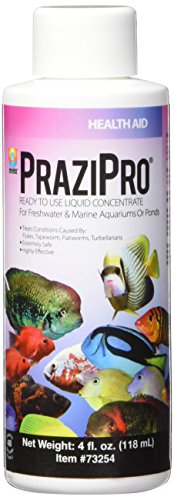
PraziPro uses praziquantel to target flukes, tapeworms, and other parasites that afflict fish in freshwater environments. The product’s precise dosing is designed to minimize stress while delivering effective parasite control. It’s commonly used in tanks with suspected parasitic infections, especially where slow or erratic movement, rubbing against decor, or abnormal gill function are observed. Always follow label instructions, remove carbon filtration during treatment, and monitor water quality after dosing.
Bettafix Remedy For Bettas

Bettafix is a general-purpose remedy designed to address minor infections and stress-related skin issues in Betta fish. While not a broad-spectrum antibiotic, it is commonly used in Betta care to support wound healing and reduce the risk of secondary infections after minor injuries or provocative stressors. It is important to use Bettafix as directed and to ensure that water quality and tank mates do not contribute to ongoing stress or disease.
Tetra Lifeguard All-In-One Treatment

Lifeguard is a broad-spectrum, non-antibiotic treatment intended to control a variety of disease-causing organisms commonly associated with white spot disease, red streaks, milky slime, mouth and fin rot, ulcers, and other stress-related conditions. The fizz tablet format makes dosing straightforward and helps maintain consistent medication levels without overshoot. It’s designed for easy use in freshwater tanks with no guesswork. Users should observe for improvements and re-test water quality after treatment and ensure proper aeration and filtration during therapy.
Buying Guide: Key Considerations For Choosing Aquarium Treatments
- Tank type and inhabitants: Freshwater vs. saltwater, and the presence of invertebrates or delicate species can influence product compatibility and dosing strategies.
- Infection type and diagnosis: Bacterial infections, protozoan parasites, flukes, and stress-related ailments require different active ingredients and treatment durations. Correct identification improves outcomes.
- Treatment format and dosing: Liquid, tablet, and medicated feed forms have distinct dosing regimens. Follow label directions precisely, and avoid sudden changes to water chemistry.
- Water quality and filtration: Treatments can affect beneficial bacteria and filter media. Some products should be used with carbon removed or avoided altogether until treatment ends.
- Fish health monitoring: Track appetite, behavior, and physical signs. If symptoms persist beyond the recommended course, consult a veterinarian or experienced aquarist for guidance.
- Compatibility with plants and decor: Some chemicals can harm live plants or wood, affecting overall tank aesthetics and ecosystem balance.
- Post-treatment maintenance: After completing a course, perform gradual water changes and test ammonia, nitrite, nitrate, and pH to re-stabilize the system.
- Ethical and responsible use: Reserve antibiotics for confirmed or strongly suspected bacterial infections. Avoid overuse to prevent resistance and negative impacts on tank biodiversity.