Looking for effective algae control in a 20-gallon tank? This guide highlights practical algae-eating options and tools that suit small to medium freshwater setups. The top picks include reputable fish and in-tank solutions that help keep glass, décor, and plants clear of algae blooms. Best for beginners: live algae-eating species like Amano shrimp and Chinese algae eaters. Best for rapid improvement: fast-acting algae removers paired with steady maintenance. Best for mixed communities: products that balance water while cleaning surfaces.
| Product | Best For | What It Does |
|---|---|---|
| API ALGAEFIX Algae Control | Quick algae suppression | Controls algae growth; fast-acting in green water and on string/hair algae |
| Tetra No More Algae Tablets | Immediate in-tank control | Removes existing algae and prevents new growth |
| MICROBE-LIFT Algaway 5.4 | Water clarity and balance | Fast-acting algaecide; safe for fish and plants |
| Neat&Tidy Chinese Algae Eater (Pack of 10) | Ambitious algae grazing | Live fish that feed on algae in freshwater |
| SF Aquatic Amano Shrimp | Biological algae control | Algae-eating shrimp that clean biofilm and surfaces |
API ALGAEFIX Algae Control
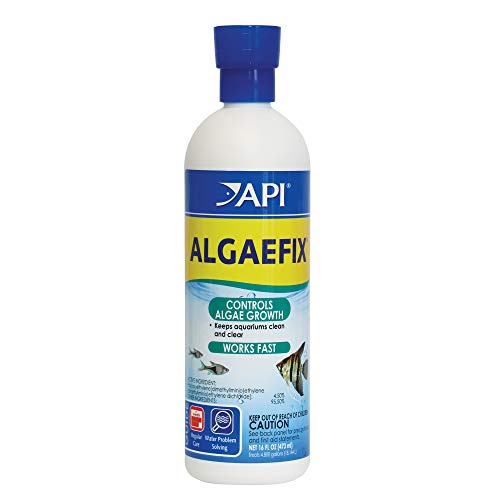
Best for quick reduction of algae growth. This chemical control targets a broad spectrum of algae, helping to keep aquarium glass, ornaments, and plants clean. It’s especially suitable for tanks experiencing green water blooms or string/hair algae. Use with caution in community tanks and follow recommended dosing to minimize impact on invertebrates. May require ongoing maintenance for persistent algae.
Tetra No More Algae Tablets

Best for established tanks that need clear water and reduced algae formation. Tablets are designed to remove existing algae from aquarium water and curb new growth, and they work in both glass and acrylic freshwater tanks. Performance can vary with bioload, so pair with regular maintenance and proper filtration to minimize algae recurrence.
MICROBE-LIFT Algaway 5.4 Algae Remover

Best for improving water clarity in both freshwater and saltwater setups. Algaway 5.4 delivers fast-acting algae control and helps reduce odors while supporting a balanced ecosystem. It’s EPA-registered for safety and is generally safe for fish and plants when used as directed. Not suitable for invertebrates like snails or shrimp in some freshwater systems; verify compatibility with your clean-up crew.
Neat&Tidy Chinese Algae Eater
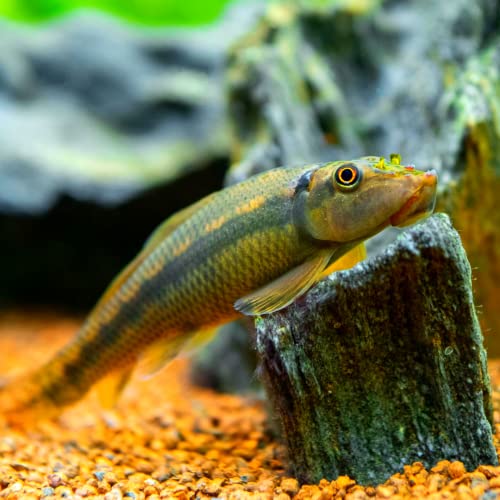
Best for active algae grazing in planted or mixed tanks. The Chinese Algae Eater is a freshwater fish known for feeding on algae and biofilm surfaces. This pack provides more individuals for faster control in small to medium tanks. Some aquarists report variable behavior; monitor compatibility with tank mates and aggression in confined spaces. Consider stocking levels to reduce territorial interactions.
SF Aquatic Amano Shrimp

Best for biofilm and steady algae grazing in planted tanks. Amano shrimp (Caridina multidentata) are widely regarded as efficient algae eaters and pair well with small tropical fish and snails in 20-gallon setups. They help manage film algae on plant leaves and tank surfaces. Not ideal for tanks with larger or aggressive fish, and full daytime activity varies with lighting. They benefit from stable water and hiding spots.
Buying Guide: Key Purchase Considerations
- Tank compatibility: Match the selected algae eater or treatment with the aquarium’s community and plants. Some species prefer planted tanks, while others tolerate bare glass better.
- Algae type and severity: Green water, hair algae, and biofilm each respond differently to cleaners, filters, and grazers. A combination approach often yields the best results.
- Maintenance cadence: Chemical controls may require cycling or gaps between treatments. Live grazers need compatible water parameters and adequate food sources.
- Biosecurity: When introducing new livestock, quarantine appropriately to prevent disease transfer.
- Filtration and water chemistry: Adequate filtration, stable temperatures, and appropriate lighting reduce algae outbreaks and support healthy inhabitants.
- Compatibility with invertebrates: Some algaecides are not safe for invertebrates. Check labels for shrimp, snails, and other cleaners in your tank.
- Aquarium size and stocking: In a 20-gallon tank, avoid overstocking. Provide ample hiding spaces and plants to reduce stress and aggression.
Frequently Asked Questions
- Q: Can I use chemical algaecides in a planted 20-gallon tank?
A: Yes, but follow label directions and consider potential effects on plants and invertebrates. Some products may temporarily harm delicate plant tissue. - Q: Are Amano shrimp compatible with Chinese algae eaters?
A: They can coexist in many setups, but always monitor for territory and compatibility with the tank’s other occupants. - Q: How quickly do algae-eating fish respond to algae blooms?
A: Grazers may take several days to noticeably reduce blooms, depending on numbers, feeding, and tank health. - Q: Should I rely on one method or combine approaches?
A: A multi-method approach—combining grazing species with regular maintenance and, if needed, targeted treatments—often yields the best long-term results. - Q: What routine maintenance helps prevent algae outbreaks?
A: Regular water changes, balanced lighting schedules, proper feeding, and efficient filtration are key to minimizing algae. - Q: How many algae-eating fish should I add to a 20-gallon tank?
A: Start with a small number and monitor aggression and bio-load. Avoid overwhelming the biofilter; adjust based on tank maturity and behavior.