Air bubble stones are essential for aeration, water circulation, and creating a visually appealing underwater scene. This guide highlights five top-performing options that suit freshwater and saltwater tanks, nano to large setups, and hydroponic applications. Each choice emphasizes quiet operation, durable construction, and reliable bubble production to improve dissolved oxygen and overall tank health.
| Product | Brand | Why It Stands Out |
|---|---|---|
| Hygger Nano Bubble Strip | hygger | Even bubble distribution, ultra-fine mist-like bubbles, self-sinking design. |
| Pawfly 1 Inch Air Stone | Pawfly | Compact size, steady bubbles, ideal for small tanks and nano setups. |
| Hygger Disc 2 x 2 Inch | hygger | High adaptability across freshwater, saltwater, and hydroponics; durable materials. |
| AQUANEAT 1 Inch 12 Pack | AQUANEAT | Value-packed set with medium-to-dense bubbles for diverse tank sizes. |
| Pawfly 4 Inch Bar Bubbler | Pawfly | Long, rectangular bubble wall for larger tanks, ponds, and DWC systems. |
Below, five detailed product sections provide insights into design, bubble performance, material durability, and best-use scenarios. Each section stays within a practical word limit to help you compare options quickly while preserving objective information.
Hygger Nano Bubble Strip Review

The Hygger Nano Bubble Strip features evenly distributed micro-holes designed to reduce clogging and minimize noise. Its micro-pressure technology generates ultra-fine bubbles that resemble mist and remain suspended longer, helping to raise dissolved oxygen levels in both freshwater and saltwater tanks. The unit is made from durable PVC and ABS materials and is designed to sink to the tank bottom, preventing surface buoyancy. Suitable for modest and moderately sized tanks, it provides consistent aeration without large bubble plumes. This makes it a solid option for hobbyists seeking a quiet, unobtrusive bubbler with enhanced oxygen exchange.
Pawfly 1 Inch Air Stone Review
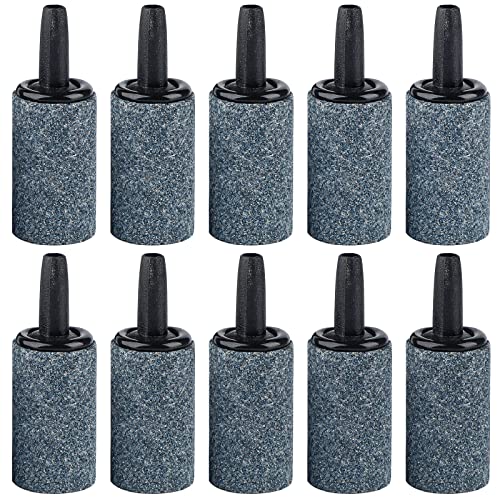
These 0.6″ diameter by 1″ height air stones deliver compact, steady bubbles ideal for nano tanks or topping off oxygen in small aquariums. The design emphasizes durability and long-term use, with a recommended 0.8 L/min jetting volume at 2–4 W pump power. The stones fit standard tubing (3/16″), making them easy to install with most compact air pumps. They are well-suited for users who want reliable aeration in confined spaces without introducing bulky hardware into the display.
Hygger Disc 2×2 Inch Review

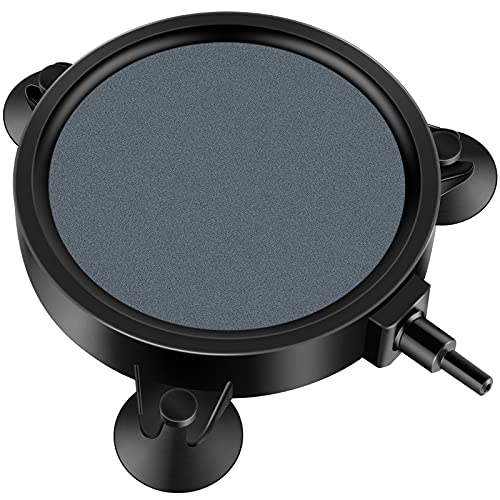
The Hygger 2×2 inch air stone combines high-density corundum materials with corrosion-resistant copper chrome-plated interfaces for durability and longevity. The disc is designed to auto-sink to the bottom, ensuring consistent placement in the tank. It suits all aquarium types—from freshwater to saltwater—and even hydroponic uses. Its fine bubble output is quiet and efficient, helping to maintain stable dissolved oxygen levels while supporting fish activity and root health in aquatic plants.
AQUANEAT 1 Inch 12 Pack Review

The AQUANEAT set provides 12 one-inch air stones designed for versatility across small tanks, larger aquariums, and hydroponic systems. The stones produce medium-dense bubbles that remain steady, helping to improve oxygen solubility and support root health in aquatic setups. They fit standard tubing (3/16 inch) and are a cost-effective way to outfit multiple tanks or create a layered aeration strategy for larger systems. The kit is appropriate for hobbyists who want reliable bulk aeration without sacrificing space or ease of maintenance.
Pawfly 4 Inch Bar Bubbler Review
This 4-inch bar bubbler creates a rectangular wall of bubbles, delivering medium-to-dense output across a broader surface area. It is designed for tanks in the 10–60 gallon range, can be used in buckets, ponds, DWC systems, or small reservoirs, and pairs well with synergy from larger air pumps. The bar-style diffuser uses mineral material sintered at high temperatures for durability, ensuring stable oxygen diffusion and minimal health impact on tank inhabitants over extended use. It’s a practical choice for users needing a continuous, even bubble curtain.
Buying Guide: Key Purchase Considerations
When choosing air bubble stones, consider tank size, fish load, and the desired bubble effect. The following factors help narrow options and ensure the best long-term performance:
- Bubble size and density: Finer bubbles increase surface contact with water, improving oxygen transfer and water mixing. Choose stones with micro-porous or sintered surfaces for delicate bubbles.
- Material and durability: Look for corrosion-resistant metals and sturdy plastics. Stones used in marine environments should resist salt-induced wear and long-term soaking.
- Size and shape compatibility: Small tanks benefit from compact discs or sticks, while larger systems may require bars or longer strips to cover more area.
- Air pump compatibility: Check the recommended jetting volume (L/min) and the tubing size. Ensure your pump can deliver consistent air without overheating or fluctuation.
- Installation and sinking: Self-sinking designs prevent surface visibility and improve bottom placement in deeper tanks.
- Noise and vibration: Users prefer quiet operation, particularly for display tanks or bedrooms. Materials and mounting can influence noise levels.
- Maintenance: Replacing worn stones and cleaning clogged perforations extend life. Consider ease of cleaning and availability of replacement parts.
- Multi-tank setups: If you manage several aquariums, consider a bulk-pack option to standardize components and simplify stocking.
For most hobbyists, a mix of a small, fine-bubble option for smaller tanks and a larger, bar-style diffuser for bigger displays offers a balanced approach. Evaluate your tank inhabitants—some fish prefer gentle aeration, while others thrive with stronger water movement and surface gas exchange. In systems with live plants or hydroponics, consistent bubble activity can support nutrient distribution and root oxygenation. Always monitor ammonia, nitrite, and nitrate alongside aeration to gauge overall water quality.