Finding the right heater for a 29-gallon aquarium involves matching wattage to tank size, ensuring safe materials, and relying on dependable temperature control. The following selections are popular choices among hobbyists for 29-gallon setups, offering reliable submersible design, intelligent protections, and clear temperature readouts. Each option is suitable for freshwater or saltwater environments, with varied wattage to accommodate different fish, plants, and equipment configurations.
| Product | Wattage | Tank Range | Notes |
|---|---|---|---|
| HiTauing Aquarium Heater (200W) | 200W | 20-40 gallons | LED display, 2 suction cups, 5 safety protections |
| Orlushy Submersible Aquarium Heater (150W) | 150W | 20-30 gallons | Explosion-proof quartz glass, easy adjustment |
| Fluval M 150-Watt Submersible Heater | 150W | Up to 45 gallons | Mirror technology, durable construction |
| Fluval M 100-Watt Submersible Heater | 100W | Up to 30 gallons | Compact, reliable heating |
| Tetra 100-Watt HT Submersible Heater | 100W | 10-30 gallons | Electronic thermostat, indicator lights |
HiTauing 200W Submersible Aquarium Heater
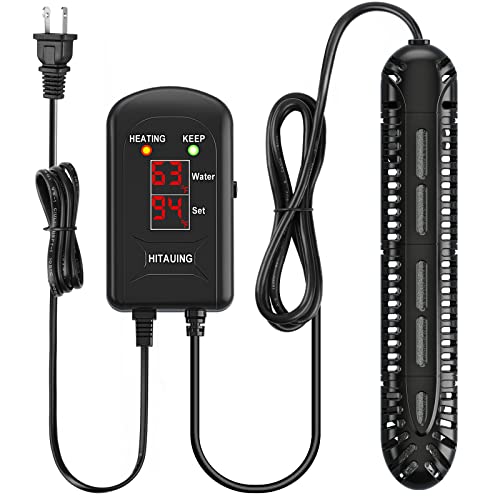
The 200W model from HiTauing delivers stable heating with rapid warm-up for 20-40 gallon tanks. It measures about 8.3 inches in length and operates on 110-120V with a 5.9-foot cord. The heater is designed for both saltwater and freshwater aquariums, including fish, turtle, and betta setups. The unit uses a durable ABS shell and high-temperature resistant nickel-chromium wire and quartz glass for safety and longevity. Two built-in intelligent protectors reduce risk: an over-temperature warning (SHHH, auto-stops at 94°F/34°C) and an off-water warning (E1).
Pros include a compact form factor that fits inside most standard canopies, straightforward temperature adjustment, and comprehensive safety features. For a 29-gallon tank, this 200W option provides robust heat control, particularly in cooler rooms or during seasonal changes. Users should ensure the heater is fully submerged and positioned away from tank decor to allow even heat distribution. If you run a moderately planted tank or a bioactive setup, this model’s quick heat response can help stabilize daily temperature fluctuations.
HiTauing 300W Heater For Larger Aquariums
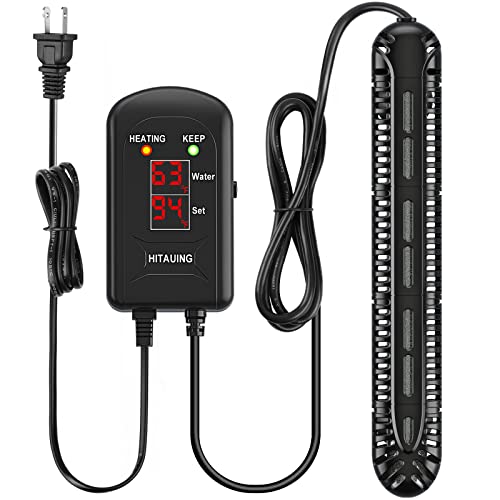
The 300W variant from HiTauing is designed for larger tanks, offering stable power and a longer body (10.6 inches) with an 8.2-foot cord. It targets aquariums from 40 to 75 gallons, making it a strong choice if you plan to upgrade to a bigger display or keep a higher heat demand species. Like the 200W model, it includes two safety protections and uses a robust ABS shell with quartz glass for durability. In a 29-gallon setup, this heater provides a safety net for cooler bedrooms or drafts, though it may be overpowered unless you intend to use it to maintain precise temperatures in cooler environments or for compatibility with future tank upgrades.
Fluval M 150-Watt Submersible Heater

The Fluval M 150-Watt heater brings precise, dependable heating for aquariums up to 45 gallons. It features a reflective mirror technology to blend with the tank, maintaining aesthetics while delivering consistent temperature control. The heater is built from shock-resistant borosilicate glass and uses a high-density ceramic heat sink for even heat distribution. For a 29-gallon setup, this model offers a balance of performance and inconspicuous integration, especially in planted or acrylic tanks. As with all submersible heaters, ensure correct submersion and placement away from strong water currents to maximize efficiency.
HiTauing Submersible Heater 50W-500W Series
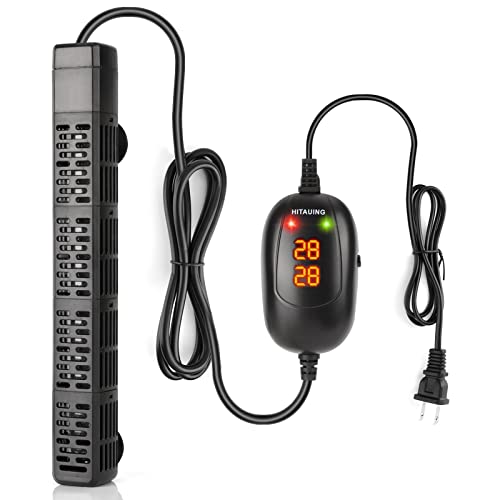
This HiTauing line includes multiple wattages (50W, 100W, 200W, 300W, 500W) with overload protection and automatic power-off when water is leaving or the temperature exceeds set limits. The 300W variant, for example, is used in larger tanks and features a Fahrenheit/Celsius control range (63-94°F / 17-34°C). The intelligent water sensor protects against dry-running by stopping heating when water is absent, with a green indicator signaling safe operation. For a 29-gallon tank, selecting a model in the 100-150W range is common, depending on ambient temperature and species needs.
Orlushy 150W Submersible Heater

The Orlushy 150W heater fits 20-30 gallon tanks and features a 9.5-inch length with a 6-foot power cord. It provides adjustable temperature control and uses 2mm thickened quartz glass for added safety. The unit is designed to work in both freshwater and saltwater environments and is easy to hide within the tank decor. This wattage is a common choice for a 29-gallon setup, offering efficient heating with simple operation and a compact profile that minimizes visibility inside the aquarium.
Tetra 100-Watt HT Submersible Heater
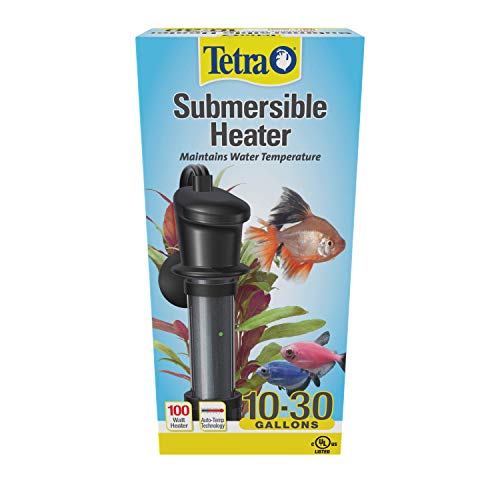
The Tetra HT 100-Watt heater is designed to keep aquariums at an optimal temperature with an automatic thermostat maintaining a steady 78 degrees. It includes an indicator light to show when heating is active and when the heater is on standby. This 100W model is well-suited for a 29-gallon setup in moderate climates or when ambient room temperatures are already fairly warm. The compact form and clear status indicator help simplify routine maintenance and monitoring for hobbyists focused on reliability and ease of use.
Buying Guide: Key Purchase Considerations For A 29-Gallon Tank
- Wattage alignment: For a 29-gallon tank, typical recommendations fall in the 100-150W range for rooms with average temperatures; 150W to 200W can provide extra headroom in cooler environments or with larger water changes. Avoid oversizing, which can cause overshooting in some thermally stable tanks.
- Submersible design and materials: Look for a heater with a quartz glass sleeve or explosion-proof glass and a durable outer shell (ABS or similar). These features improve longevity in active setups and reduce risk of cracks from handling or minor impacts.
- Temperature control features: A precise digital or analog thermostat, clear display, and safe heat-off protections (auto shutoff above target temp or when water level drops) help prevent overheating and stress on fish.
- Safety protections: Overheat sensors, auto-shutoff if water level falls below the heater, and dry-run protection are essential to minimize hazards in both freshwater and saltwater tanks.
- Placement and coverage: Position the heater horizontally or diagonally near water flow to ensure even heat distribution. Two suction cups help secure the unit against glass or acrylic walls, reducing movement during water circulation.
- Reliability and brand support: Choose products from brands with a strong track record in aquarium equipment, plus accessible customer support and available replacement parts.
- Power cord length: Ensure your power strip or outlet location accommodates a routed cord without tension. Longer cords can improve placement flexibility, particularly in larger or multi-tank setups.
- Maintenance and filtration compatibility: Consider how filtration patterns and plant life affect heat distribution. Heaters should be kept clean and free from mineral buildup to maintain accurate readings.
- Budget vs. performance: Balanced options like Fluval M series offer clean aesthetics and reliable performance, while HiTauing models emphasize safety protections and quick heat-up times for varied environments.
In summary, for a standard 29-gallon setup, a 100–150W model will typically suffice, with 150–200W providing a safety margin in cooler rooms or colder seasons. The five selected products cover a range of warranties, features, and mounting styles to fit different tank configurations and user preferences. Always verify compatibility with your specific tank dimensions, ambient room temperature, and any community tank mates to ensure stable, safe heating.