Choosing the right gel adhesive for aquarium work requires considering bonding strength, water resistance, and ease of use. The following hand-picked glues are well-suited for coral frag mounting, plant anchoring, and securing decor without harming aquatic life. This guide highlights five reliable options and compares their strengths for freshwater and saltwater setups.
| Product | Brand | Best For |
|---|---|---|
| Gorilla Super Glue Gel XL | GORILLA | Vertical surfaces, glass, plastic, ceramic in aquariums |
| Super Glue Gel Clear Non-Drip (12 x 3g) | INSOIA | Porous materials, precise spots, quick drying |
| Super Glue Gel – 50 g (ARKA KraftProtz) | ARKA | Strong bonds on vertical and moist surfaces |
| Seachem Reef Glue Cyanoacrylate Gel | Seachem | Frag mounting and coral placement |
| WoldoClean Aquarium Super Glue 50g | WoldoClean | Mosses, plants, and decorations in freshwater and saltwater |
Note: All products listed are gel-based or thick formulations designed to minimize drips, which helps when bonding near delicate aquarium life. When used properly, these gels dry clear and form strong, water-resistant bonds suitable for many aquarium applications.
Gorilla Super Glue Gel XL For Aquarium Projects
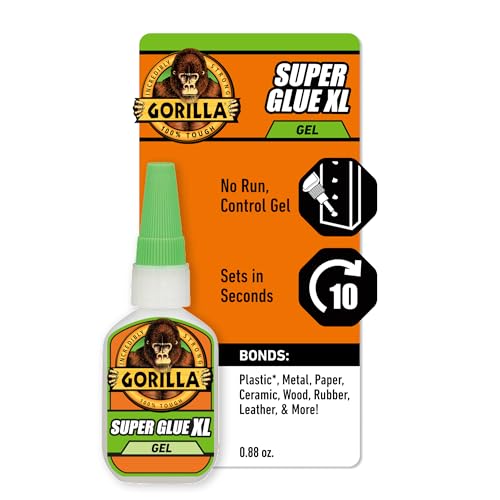
Gorilla Super Glue Gel XL features a thick, no-run gel formula ideal for vertical surfaces where liquid glues struggle. It bonds glass, plastic, wood, metal, ceramic, and more, providing a crystal-clear finish that remains unobtrusive in an aquarium setting. The gel helps secure frag plugs, plant ties, and lightweight decor without seepage into the water column. The no-run quality reduces the risk of accidental over-application that could affect tank inhabitants. For best results, apply a thin layer to one surface, join parts, and allow curing time away from direct water exposure.
Insioa Gel Clear Non-Drip Adhesive

Insioa’s gel CA glue comes in a 12-pack of 3-gram tubes with fine tips for precision bonding. The non-drip formula is designed for vertical surfaces and porous materials, making it suitable for mounting small coral fragments, mosses, or plant cuttings in aquariums. The tubes are single-use, ensuring freshness and minimizing waste. Curing typically occurs within seconds to minutes, and a clear finish helps keep the focus on natural tank aesthetics rather than adhesive residue. Use on dry, clean surfaces and allow additional time for full strength if moisture is present in the environment.
KRAFTPROTZ Gel Adhesive For Aquariums

This extra-strong gel from KraftProtz is designed for vertical and porous surfaces, delivering an instant hold suitable for moss transfer, coral frag mounting, or securing decorative elements. The no-drip formula provides precise control, reducing overspill that could irritate tank occupants. The gel is water-resistant and capable of withstanding moisture and vibration, which is beneficial in tanks with strong water flow or adjustable equipment. It’s especially useful when positioning small pieces that require a firm, clean bond without clamps or external tools.
Seachem Reef Glue Cyanoacrylate Gel

Seachem Reef Glue is a cyanoacrylate gel designed for frag mounting and coral placement. It cures quickly and forms a transparent bond, which helps keep the appearance of the tank natural. The gel is formulated for aquarium use and typically adheres well to live rock, coral fragments, and decorative substrates. This product is widely favored by hobbyists for fragging, plug mounting, and securing live corals in place. As with all glues, ensure surfaces are clean and dry for the strongest bond, and allow sufficient time before introducing aggressive tank inhabitants or water movement near the bonded area.
WoldoClean Aquarium Gel Glue For Plants

WoldoClean’s aquarium glue is formulated for mosses and plants in both freshwater and saltwater environments. The solvent-free formula dries transparent and becomes waterproof, making it suitable for anchoring moss, roots, and small aquatic plants to rocks or driftwood. Its fast hardening time helps minimize the exposure of fresh bonds to tank water, while the clear finish maintains a natural look. It is also described as handy for securing equipment like nets or small accessories during setup or maintenance without interfering with water quality.
Cyafixed Multi-Material Aqua Glue

Cyafixed offers a multi-material adhesive designed to bond ceramics, plastics, glass, wood, rubber, and metal. The precision microtip allows careful placement in tight spaces, an advantage when mounting small pieces or frag attachments. This adhesive emphasizes a clean application with an anti-clog cap to keep the nozzle clear, reducing waste and enabling repeat use on future projects. It provides a versatile option for both quick fixes and more detailed aquarium setups, supporting various substrates without harsh chemical impact on aquatic life.
Buying Guide: Key Purchase Considerations
- Bonding strength and substrate compatibility: Look for gels that advertise strong bonds on glass, plastic, ceramic, wood, and coral or plant substrates. Porous and vertical surfaces often benefit from non-drip formulas.
- Drying and curing time: Quick-setting gels reduce tank downtime, but ensure you allow full cure before introducing fish or invertebrates near the bonded area.
- Water resistance and durability: Choose adhesives explicitly described as waterproof or moisture-resistant for aquarium use, especially in tanks with live plants or algae.
- Clarity and aesthetics: Clear or transparent gels help maintain the visual appeal of the aquascape, reducing visible adhesive lines.
- Application control: Fine tips and non-drip formulas improve precision, reducing waste and accidental bonding to unwanted areas.
- Safety and tank compatibility: Prefer products designed for aquarium or general household use with minimal odor or harsh residues. Follow manufacturer instructions for curing and any recommended post-application rinsing.
- Packaging and storage: Single-use tubes help ensure freshness and prevent hardening between uses, particularly for hobbyists with ongoing projects.
Usage Considerations and Best Practices
- Prepare surfaces by cleaning and drying them thoroughly before applying adhesive.
- Apply a thin layer to one surface and join parts firmly. Avoid excessive adhesive that can seep into the water.
- Allow the bond to cure fully in a low-flow area away from the main tank inhabitants before returning to normal operation.
- Test in a small, non-critical area first if bonding unusual substrates or delicate life forms.
- Store unused portions in their original packaging or airtight containers to prevent premature drying or chemical changes.