Creating distinct fish habitats in a shared aquarium space helps reduce aggression, manage feeding, and showcase diverse species. The right room divider for a fish tank blends with your setup while providing functional separation. Below are five highly compatible options designed for various tank sizes and configurations, from 10 gallon to 20 gallon long tanks. Each choice emphasizes safe, non-toxic materials and easy installation so you can tailor your aquarium layout without hassle.
| Product | Brand | Tank Type Fit | Notes |
|---|---|---|---|
| Acrylic Aquarium Divider Kit (20gal Long) | RA AquaTech | 20 gal Long | Includes suction cups; clear acrylic for visibility |
| Lifewithpets 10 Gallon Tank Divider | LifeWithPets | 10 gal tanks | No suction cups required; must match specific USA sizes |
| Hoypeyfiy 8 Pieces Divider Set | Hoypeyfiy | Various 30×30 cm boards | Bottom divider style; 8 boards for versatile layout |
| TQDXZA 0.35-Inch Black Divider Panel | TQDXZA | 10–55 gal tanks | Customizable grid panels; PVC plastic |
| Weramics 8pcs Divider with Cups | Weramics | 11.8×11.8 inch boards | 8 boards plus 10 clips; DIY flexible design |
id=”product-1″>Acrylic Aquarium Divider Kit For 20-Gallon Long Tanks
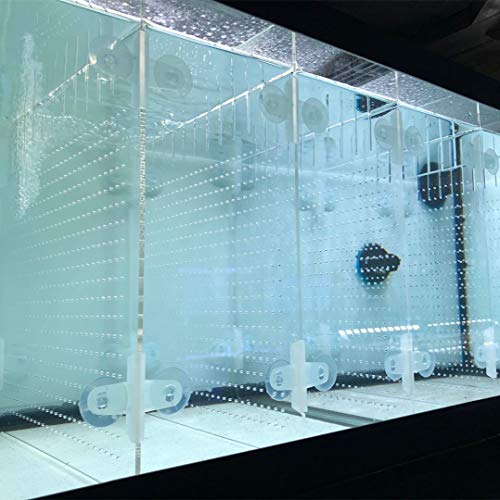
This divider kit from RA AquaTech is designed for 20-gallon long aquariums, offering a clear acrylic barrier with suction cups to secure panels. The kit provides a clean, unobtrusive way to segment habitats while maintaining visibility. The components are non-toxic and compatible with standard freshwater environments. Ideal for showcasing two or three species with space to swim and feed separately, while enabling easier maintenance around the divider zones.
id=”product-2″>Lifewithpets 10 Gallon Tank Divider

Designed for 10-gallon systems, this divider is marketed as USA tank-size specific, with no suction cups required. It emphasizes a sturdy, non-toxic construction and easy installation. Since it specifies compatibility with a particular tank footprint, verify your tank’s internal dimensions before purchasing. This option prioritizes a simple, tool-free setup that minimizes disruption to established aquariums while providing distinct zones for different fish or reactions to feeding times.
id=”product-3″>Hoypeyfiy 8-Piece Divider Set

This bottom-divider system includes eight boards that fit together on the tank’s floor. The design supports vertical or horizontal placement to separate fish or eggs, reducing aggression by physically separating territories. The boards can be trimmed to match varying tank dimensions, and the set is intended to be durable and scuff-resistant. The product’s versatility makes it suitable for creative layouts in mixed-species tanks.
id=”product-4″>TQDXZA Flexible Divider Panels

These customizable plastic grid panels offer a cut-to-fit design that works across a range of tank sizes from 10 to 55 gallons. The grid panels are non-toxic and corrosion-resistant, suitable for both freshwater and saltwater setups. The small grid holes help reduce edge aggression while promoting water flow. The product is marketed as a practical solution for creating multiple compartments with a single kit, particularly useful for square or irregularly shaped tanks.
id=”product-5″>Weramics 8-Piece Divider With Suction Cups

This set includes eight divider boards and ten suction cups for flexible placement. The panels are designed to be pieced together with concave-convex buckles and can be trimmed to fit the tank’s exact shape. Made from sturdy materials, these dividers aim to prevent fish from injuring each other while allowing adequate water flow. The DIY-friendly design supports custom configurations that adapt to different tank layouts and species needs.
id=”buying-guide”>Buying Guide: Key Considerations For Aquarium Room Dividers
- Tank compatibility: Confirm the divider’s dimensions and the specific tank model you own. Some products are designed for particular brands or shapes, while others are more universal.
- Material safety: Look for non-toxic, fish-safe plastics or acrylics. Avoid shelves or boards with rough edges that could snag fins or injure fish.
- Installation method: Decide whether you prefer suction cups, bottom dividers, or clip-and-bar systems. Suction-based options are common but may loosen over time; bottom dividers offer secure placement in stable tanks.
- Adjustability: Some sets are modular and can be cut or reconfigured as your tank setup evolves. If you plan to rearrange habitats, prioritize adjustable designs with simple cutting or snapping features.
- Water flow and filtration: Ensure the divider design doesn’t excessively block water movement or filter inlets. Small grid patterns typically maintain flow and aeration while providing separation.
- Maintenance access: Consider how easy it is to clean around dividers and how often you’ll need to remove panels for maintenance or feeding.
- Species considerations: Bettas and other territorial fish benefit from physical barriers, while more social species may require larger gaps or open channels to reduce stress.
- DIY vs ready-made: DIY divider options offer customization but require effort and tools. Ready-made kits save time but may offer less flexibility.