This guide highlights top hydroponic systems that pair with fish tanks, delivering a symbiotic setup where fish waste nourishes plants and plants help keep water clean. Each pick below is evaluated for ease of use, durability, and how well it supports a balanced aquaponic ecosystem. Read on to compare configurations, setup requirements, and key considerations for selecting a system that fits your space and goals.
| Product | Brand | Notable Benefit |
|---|---|---|
| Hydroponic Garden Aquaponic Fish Tank Plants Growing System Self-Cleaning Seed Sprouter Tray | Huamuyu | Self-cleaning, tidal water level, plant roots breathe |
| Penn-Plax Aquaponic Planter and Aquarium for Betta Fish | Penn-Plax | Clear tank with symbiotic plant and fish cycles |
| Penn-Plax (APON1) Aquaponic Planter and Aquarium for Betta Fish | Penn-Plax | Compact Aqua-Ponic design for small spaces |
| AQUANEAT Aquarium Air Pump 300GPH | AQUANEAT | Powerful aeration for multiple zones |
| VIVOSUN 800GPH Submersible Pump | VIVOSUN | High flow with easy maintenance |
Choosing a hydroponic system that works with a fish tank involves understanding the balance between nutrient delivery, oxygenation, and plant support. The options below represent a range of sizes and approaches—from fully integrated aquaponics units to adaptable aeration and pumping components that can augment existing tanks. Each product section includes key features and practical considerations to help you decide what fits your home or classroom setup.
Huamuyu Hydroponic Garden Aquaponic System
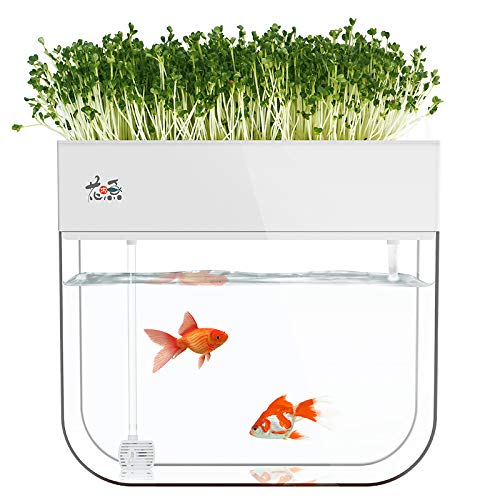
The Huamuyu system combines a fish tank with a seed sprouter tray, enabling a continuous nutrient loop: fish waste fertilizes plants, and plant roots help filter and oxygenate the water. The design emphasizes a self-cleaning process, reducing routine maintenance compared to traditional tanks. It supports tidal-like water level fluctuations that allow plant roots to breathe, which can help stabilize oxygen levels for fish. This setup suits hobbyists seeking a compact, all-in-one solution that demonstrates a clear aquaponics cycle in action.
Penn-Plax Aquaponic Planter and Aquarium for Betta

Penn-Plax blends a betta-compatible tank with a built-in hydroponic planter, offering a natural, visible aquaponic cycle. It accommodates small fish and a range of leafy plants atop the tank, with guidance on suitable species. The design emphasizes a symbiotic environment where established plants help maintain water quality. For beginners, this model provides an approachable balance of aesthetics and function, though plant selection and water-level considerations will influence performance over time.
Penn-Plax APON1 Aquaponic Planter for Betta
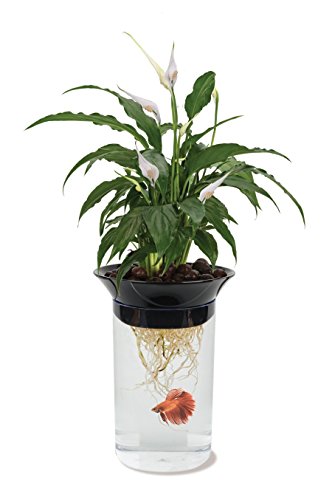
The APON1 variant focuses on a compact aqua-ponic system suitable for bettas and small plant clusters. It mirrors the core convenience of Penn-Plax’s approach with a clear view of nutrient cycling and plant growth. Water management advice emphasizes gentle, regular maintenance and the consideration that Bettas require space near the surface for gas exchange. This option is well-suited for users upgrading from a basic tank to a small, integrated hydroponic setup.
AQUANEAT Aquarium Air Pump 300GPH

Air pumps underpin hydroponic-aquarium systems by delivering consistent oxygenation and enabling multiple outlets for aeration devices such as air stones and sponge filters. The AQUANEAT unit provides robust airflow with four outlets, adjustable settings, and a compact footprint. For aquaponics, this pump supports simultaneous circulation in the fish tank and plant bed, helping maintain healthy dissolved oxygen levels and stable water parameters, especially in warmer or densely planted setups.
VIVOSUN 800GPH Submersible Pump

The VIVOSUN 800GPH submersible pump provides substantial flow suitable for larger grow beds or aquaponic plant channels. Key specs include a maximum flow of 800 GPH and a lift height around 10 feet, with a 24W motor and multiple nozzle options for customizing water movement. This pump is well suited for balancing plant irrigation cycles with fish tank water movement, enabling DIY configurations that scale up as you expand the hydroponic bed or add additional plant lines.
Buying Guide
- System size and space: Choose a setup that fits your available area and accounts for fish tank volume and plant bed area. Smaller units are easier to manage, while larger builds offer more robust nutrient cycles but require more maintenance.
- Fish compatibility: Consider fish species and their needs—bettas, guppies, or small tetras. Ensure water level, oxygen, and filtration align with plant requirements to avoid stress for aquatic life.
- Nutrient flow and oxygenation: Aquaponics relies on steady nutrient supply from fish waste and adequate plant uptake. A reliable pump and a capable aeration system help maintain healthy conditions for both fish and plants.
- Maintenance and ease of use: Self-cleaning features, as seen in some models, can reduce routine work. Look for accessible access panels, easy filter changes, and clear instructions for tweaking flow rates.
- Plant compatibility and growth): Most leafy greens and herbs perform well in aquatic beds. Avoid starting from seed in some compact planters; established plants tend to adapt more quickly to a new aquaponic environment.
- Energy efficiency and noise: Since these systems run continuously, select pumps and pumps with energy-efficient motors and low noise outputs to keep living spaces comfortable.
- Expandability: If you anticipate growing more plants or adding more fish over time, choose components and units that allow modular expansion without large redesigns.
In summary, integrating hydroponics with a fish tank can deliver visible ecological benefits and immersive demonstrations of nutrient cycles. Whether you want a compact, all-in-one unit or a customizable setup using separate components, the options above offer practical pathways to a thriving aquaponic environment. Always start with a clear plan for plant types, fish selection, and maintenance routines to ensure long-term success.