Choosing the right glass rocks for a fish tank or decorative vase can enhance color, safety, and overall aquarium health. The selections below cover a range of sizes, colors, and textures—from frosted sea glass to smooth fluorite chips—so you can match your tank’s theme and your aquatic friends’ needs. Each option is designed to be non-toxic, blunt-edged, and visually appealing under light. Use them as substrate accents, vase fillers, or craft elements to create depth and contrast in your display.
| Product | Brand | Approx. Weight / Size | Notes |
|---|---|---|---|
| FUTUREPLUSX 0.97 lb Flat Glass Marbles | FUTUREPLUSX | 0.97 pounds | Ocean blue, suitable for vases and tanks |
| QYGL Sea Glass Stones Frosted Glass Pebbles (0.9 lb) | QYGL | 0.9 lb | Various cobalt blue tones, non-toxic |
| QYGL Crystal Pebbles – Natural Fluorite, 0.9 lb | QYGL | 0.9 lb | Purple/green/blue hues, decorative chips |
| QYGL Sea Glass Stones 2.9 lb Blue Mixed | QYGL | 2.9 lb | Large volume, frosted glass, versatile |
| Keedolla Clear Sea Glass Pebbles 0.93 lb | Keedolla | 0.93 lb | Light blue, smooth edges |
FUTUREPLUSX Flat Glass Marbles In Ocean Blue
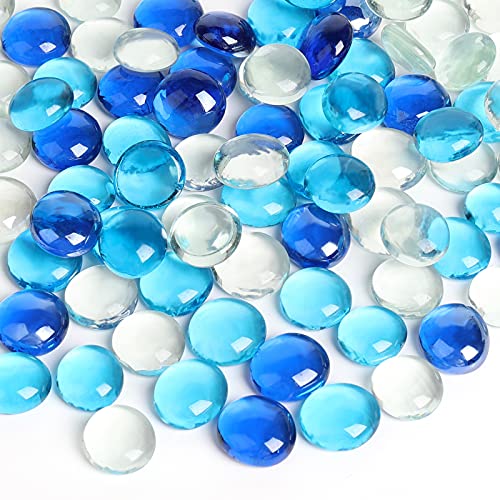
These flat glass marbles are crafted to resemble ocean-blue beads that brighten under light. They function well as aquarium decor or vase fillers, offering a glossy finish that enhances color depth without floating in water. The glass is non-toxic and tasteless, making it suitable for environments with plants and small aquatic life. The flat shape minimizes buoyancy concerns, helping to maintain a stable display layer at the bottom or mid-level of a tank.
QYGL Sea Glass Stones Frosted Glass Pebbles

These frosted sea glass stones come in cobalt blue and aquamarine tones, offering subtle shimmer when wet. Made from recycled glass and tumbled for smooth edges, they are non-toxic and odorless, making them safe for both animals and plants. A 0.9-pound pack provides a moderate amount of coverage, with stones ranging from small to mid-size, suitable for aquariums, vases, or DIY crafts. Their varied shapes lend a natural gravels look that can mimic riverbeds in home displays.
QYGL Fluorite Crystal Pebbles

These natural fluorite chips feature a mix of purple, green, light blue, and transparent hues. Each chip is polished to a smooth finish and sized around 6–9 mm, suitable for small to mid-sized displays. They are ideal as vase fillers, in fish tanks, or garden planters, and can also be used in candle holders or mirrors. Fluorite is valued for its aesthetic appeal and can contribute to a calming, colorful backdrop in a decorative arrangement.
QYGL Sea Glass Stones Large Blue Mix

This larger blue mix pack provides abundant color and texture for aquarium gravel or vase filler projects. The frosted glass stones are non-toxic and odorless, designed to resist fading with time. The varied shapes and sizes help create visual interest, especially when paired with plant life or decorative figurines. They work well for landing zones around aquatic plants and as a background layer to highlight colorful fish life.
Keedolla Clear Sea Glass Pebbles, Light Blue

Keedolla’s 0.93-pound pack features transparent light-blue glass pebbles with smooth edges. The stones are designed to be non-toxic and fade-resistant, suitable for both fish tanks and decorative vases. The compact 6–9 mm size makes them versatile for small to medium displays, offering a clean, modern aesthetic that complements a wide range of aquarium color schemes and plant arrangements.
WAYBER Natural Crystal Pebbles For Decoration
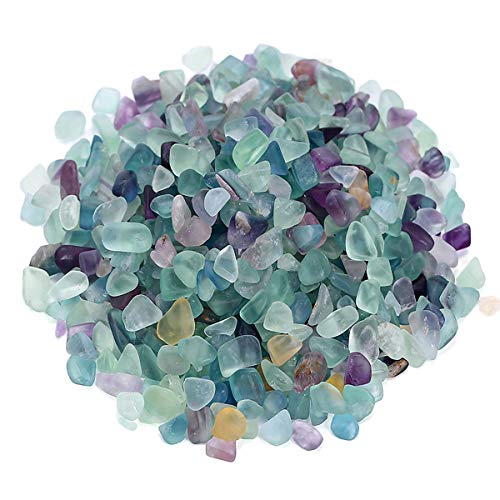
Wayber offers a 1-pound bag of natural crystal stones, processed into irregular shapes with a rich, earthy look. They’re non-toxic and safe for aquatic life, plants, and decor. The stones are designed to avoid fading and provide a natural river gravels aesthetic. Their compact set works well for tank edging, plant bed accents, or as a striking focal layer in display bowls and terrariums.
Buying Guide: Key Purchase Considerations For Glass Rocks
- Material safety: Ensure stones are non-toxic, odorless, and inert to avoid harming fish or plants. Recycled glass and fluorite variants are common, but check for any coatings or dyes that might fade or leach chemicals.
- Size and shape: Choose sizes that fit your tank depth and plant roots. Flat marbles, small chips (6–9 mm), and larger frosted stones each create different visual textures and water flow interactions.
- Color and finish: Frosted/semi-translucent finishes reduce glare and reflect light softly, while bright blues and purples offer bold contrast. Consider pairing with fish coloration and plant greens for balance.
- Buoyancy and weight: In tanks, non-floating stones help maintain substrate stability. Heavier packs (around 0.9–2.9 lb) provide quicker settling and reduced movement during water changes.
- Maintenance and cleaning: Look for smooth edges to minimize snagging and harboring algae. Reusability is a plus; choose stones that can be rinsed without color transfer.
- Applications: Stones can be used as tank substrate accents, vase fillers, or craft elements. Verify suitability for freshwater or saltwater environments if needed.
- Compatibility: If you have delicate decorations or live plants, plan for a layout that minimizes disruption to roots and roots’ growth zones.
- Care and replacement: Consider color stability—some natural stones may fade slightly over time under bright lighting. Having a backup batch allows you to refresh the look without a full redesign.
Overall, the selected glass rocks provide a spectrum of options—from the subtle glow of frosted sea glass to the vibrant hues of fluorite and blue glass marbles. When choosing, align color with your aquarium inhabitants and décor goals, ensuring safe, stable, and aesthetically pleasing arrangements. This approach helps maintain a healthy environment while achieving a visually compelling display that appeals to observers and fosters a naturalistic or decorative vibe.