Choosing the right driftwood for your aquarium or terrarium can transform the look and health of your setup. Real wood pieces provide hiding spots, grazing areas for fish, and natural aesthetics that help stress levels drop and natural behaviors increase. This guide highlights proven, safe driftwood options that work well in both freshwater and reptile environments. Each selection below includes practical uses, safety notes, and how it supports tank ecology while staying visually appealing.
Buying Guide snapshot: The featured products span various sizes and configurations to fit 20-gallon tanks up to larger displays. They are chosen for low tannin release, ease of sinking, and natural aesthetics. When selecting driftwood, consider tank size, water hardness, lighting, and whether you also want to support reptile habitats. The table below summarizes core details to help quick comparisons.
| Product | Size Range | Pieces | Notes |
|---|---|---|---|
| Jorewood Natural Large Driftwood | 13-17 Inches | 1 Piece | Low tannin, easy to sink |
| Jorewood Natural Aquarium Driftwood (2-Piece) | 10-14 Inches | 2 Pieces | Dual-use for aquariums and reptiles |
| Jorewood Natural Aquarium Driftwood (3-Piece) | 7-11 Inches | 3 Pieces | Compact multi-branch option |
| majoywoo Natural Large Driftwood | 9-14 Inches | 2 Pieces | Versatile for aquariums and terrariums |
| EFFIELER Natural Driftwood | 14-17 Inches | 1 Piece | Untreated, boil-before-use recommended |
Jorewood Natural Large Aquarium Driftwood for Fish Tanks & Reptile Terrariums

The Jorewood Large Driftwood is designed to serve as a focal piece in both fish tanks and reptile terrariums. Its twisted branches create natural caves and archways that mimic riverbank structures found in nature, providing both visual interest and functional space for aquatic life and amphibious pets. The 13-17 inch size makes it suitable for medium-to-large tanks, enabling dramatic aquascapes without overcrowding.
Key advantages include low tannin release, which helps maintain water clarity for fish and amphibians, and a safe, chemical-free profile. The wood is hand-selected for quality and is intended to sink relatively quickly once introduced to water, minimizing the need for weighted setups or longer cure times. In terrariums, the piece offers climbing surfaces and basking areas that encourage natural behaviors in reptiles like lizards and geckos.
Care and maintenance are straightforward. Boiling before placement is recommended to reduce tannins further and soften the wood for easier acclimation. Routine monitoring of water color and biofilm will help ensure a pristine habitat, especially in densely stocked tanks or housing more sensitive species. This driftwood’s natural texture fosters a realistic landscape that supports microhabitats for shrimp and bottom-dwelling fish alike.
Jorewood Natural Aquarium Driftwood (2-Piece) 10-14 Inches

This two-piece driftwood set from Jorewood provides a flexible sculpting option for aquariums and terrariums alike. The 10-14 inch branches offer multiple angles and entry points for fish to explore, while independently positioned pieces allow you to design layered landscapes with depth. The combined configuration helps create natural refuges, feeding zones, and shelter for shy species in mid-sized tanks.
As with most driftwood from this brand, the pieces are selected for safety and minimal chemical impact. Low tannin release aids clarity, though some tint is normal in new installations. The set’s porous texture supports beneficial biofilm growth, a natural food source for algae-eating species and detritivores. For terrariums, the branches give lizards and small snakes an engaging terrain to climb and perch upon.
Setup tips include placing the heavier piece lower or angled toward the substrate to maximize stability. If needed, secure with aquarium-safe silicone or anchor weights. Regular inspection ensures the structure remains stable as animals interact with it. This option suits both new and experienced hobbyists aiming for a natural, multi-branch layout.
Jorewood Natural Aquarium Driftwood (3-Piece) 7-11 Inches

The three-piece Jorewood driftwood set provides compact, versatile elements ideal for smaller tanks or nano setups. With 7-11 inch branches, you can craft intricate hideouts, tunnels, and archways within a modest footprint. The arrangement supports a diverse range of species, from small schooling fish to shrimp colonies, creating microhabitats that reduce stress by offering visual separation and territory boundaries.
These pieces are designed for dual use in aquariums and terrariums, giving reptile enthusiasts additional options for creating climbing routes and basking platforms. The low tannin release helps maintain water clarity, though initial color shifts may occur as tannins leach into the water. Routine water changes and gentle washing before installation help minimize any cloudiness.
In practice, place the larger pieces toward the back to provide depth, with smaller branches in the foreground for visual contrast. The natural twists and curves encourage exploration and interaction by inhabitants, which enhances overall tank behavior and enjoyment for observers.
majoywoo Natural Large Driftwood (9-14 Inches) 2 Pieces

This Majoywoo pair emphasizes natural variation and an authentic, weathered appearance. The 9-14 inch pieces bring substantial presence to mid- to large-sized tanks, providing dramatic focal points and adaptable layouts. Each driftwood piece is unique in shape, offering different viewing angles that keep the aquarium visually engaging over time. They are suitable for both aquariums and terrariums, making them a versatile decorating option.
Safety notes highlight natural sourcing and manual selection to reduce the risk of contaminants. These driftwoods are well-suited for tanks above 20 gallons, thanks to their size and weight, and they pair nicely with moss accents to create realistic trees or landscapes. In terrariums, they function as climbing branches and shelter for reptiles, frogs, or other paludarium inhabitants. Regular cleaning and gentle soaking help ensure long-term usability and maintain a balanced appearance.
When integrating, consider staggered placement to create layered depth. The textured surface supports beneficial bacteria and microfauna, contributing to a healthier aquarium ecosystem while providing aesthetic value that evolves as the tank matures.
majoywoo Natural Large Driftwood (13-17 Inches)

This Majoywoo driftwood is designed for larger aquariums and terrariums. The 13-17 inch length creates a commanding presence, ideal as a centerpiece piece or anchor for an elaborate landscape. Its durable construction supports sturdy placement and long-term use in dynamic environments, including active fish tanks and reptile enclosures. As with other natural driftwood options, expect some tannin release; pre-soaking and boiling can minimize water tint while preserving the natural look.
Beyond aesthetics, the driftwood offers practical habitat enhancements. Fish can use crevices as shelter, while reptiles gain climbing opportunities and basking platforms. The texture invites beneficial biofilm growth, contributing to a more balanced aquarium micro-ecosystem. This piece is particularly effective when combined with live plants or moss to heighten the sense of a natural riverine habitat.
EFFIELER Natural Driftwood for Aquarium Decor (14-17 Inch)
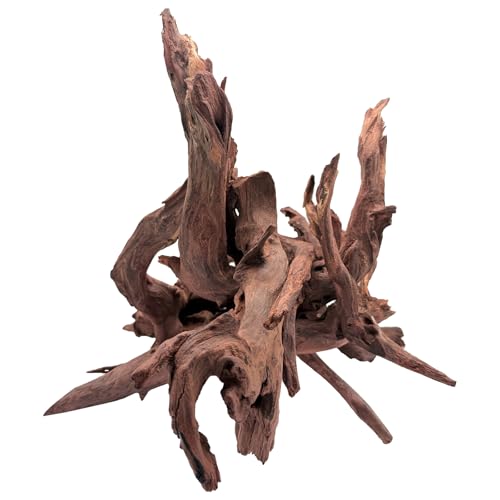
The EFFIELER driftwood stands out for its natural appearance and generous size, with a 14-17 inch single-piece design that serves as a dramatic focal point in larger tanks or paludariums. The piece is marketed as untreated and chemical-free, aligning with safe practices for both fish and reptiles. Boiling for 50-60 minutes before use is recommended to remove tannins and soften the wood—an important step for ease of integration and to reduce potential water discoloration.
Its organic twists and textures offer multiple display possibilities, whether you want to create riverbed landscapes, archways, or submerged caves. The natural look supports a wide range of aquascaping styles, from minimalist to densely planted scenes. The wood’s porous surface fosters beneficial microbial growth and provides climbing routes for terrarium inhabitants. For saltwater setups, ensure compatibility with your species before introducing driftwood that has not been pre-treated for marine environments.
FZONE Driftwood Resin Model for Aquascaping

FZONE offers a resin-based driftwood model that mimics natural wood’s texture without the variability of real wood. This design is particularly useful for beginners or those seeking a consistent look with a precise arrangement. The resin is non-toxic and designed to be pH neutral, preventing potential shifts in tank chemistry that real driftwood may introduce. It’s a practical alternative for users who want a quick setup or a structured hardscape that remains visually stable over time.
While not live wood, the resin model provides a convincing appearance, including deep brown tones and intricate branch ends that resemble weathered wood. The model is compatible with freshwater aquariums and can be integrated into terrariums as decorative elements. If you prefer an ultra-clean, maintenance-friendly option, this resin driftwood can be easier to place and rearrange without waiting for natural tannin leaching to subside.
Buying Guide: Key Purchase Considerations and Comparisons
What to consider when choosing driftwood for your aquarium or terrarium:
- Size and scale: Match the wood to your tank dimensions. Large pieces serve as focal points, while smaller branches add structure and complexity.
- Water chemistry and tannins: Real driftwood can tint water and slightly raise organic load. Boiling or soaking helps reduce tannins. Resin models avoid this issue but sacrifice authenticity.
- Safety and treatment: Choose pieces that are untreated or explicitly labeled safe for aquatic life. Avoid driftwood with coatings or paints that could leach chemicals.
- Functionality: Consider how the wood creates hiding places, feeding zones, and climbing areas for your inhabitants. Aromatic and porous textures support biofilm growth beneficial to some species.
- Maintenance: Real driftwood requires periodic cleaning and monitoring for driftwood decay or mold. Resin models are low-maintenance but visually less natural.
- Reptile compatibility: If you house reptiles, ensure the wood provides secure climbing surfaces and is structurally sound for perching, with appropriate corrosion resistance in humid environments.
- Aesthetic balance: Choose woods with colors and textures that complement plants, rocks, and substrate to achieve a cohesive aquascape or terrarium landscape.
In practice, many hobbyists opt for a mixed approach: a few larger real driftwood pieces as anchors, complemented by smaller branches for layering, with a resin option for a consistent or transitional display. Always acclimate real driftwood gradually to reduce sudden environmental shifts. For terrariums, ensure any wood used is suitable for the humidity level and animal activity to maintain long-term durability and safety.