Creating a thriving dry rock and substrate setup for saltwater and reef tanks starts with choosing the right aragonite sand and decorative rocks. The following products come from trusted brands and are designed to support stable water chemistry, natural aesthetics, and long-term durability in marine environments. This guide compares aragonite sands and reef-safe rocks to help you design a robust, visually appealing saltwater aquarium.
Summary of Selected Products
| Product | Brand | Use | Key Benefit |
|---|---|---|---|
| Aqua Natural Oolitic Aragonite 10lb Aquarium Sand | Aqua Natural | Substrate for reef and marine tanks | High buffering; pure calcium carbonate; sustainable source |
| Aqua Natural Oolitic Aragonite 20lb Aquarium Sand | Aqua Natural | Substrate for reef and marine tanks | Same buffering quality; larger bag option |
| Unocho Dragon Stone Aquarium Rocks 5lb (Seiryu Stone) | Unocho | Decorative hardscape | Natural honeycomb texture; stable water impact |
| Eorbow 12lb Seiryu Stone Kit | Eorbow | Decorative rocks for terrariums and aquariums | Natural look; mixed sizes; neutral water impact |
| KINGRUI Natural Fish Tank Stones 10lb Seiryu Rock | KINGRUI | Decorative rocks for aquascaping | Elegant veins; durable and safe for aquatic life |
Aqua Natural Oolitic Aragonite 10lb Sand

The Aqua Natural oolitic aragonite sand offers high buffering to maintain a stable pH around 8.2, supporting a healthy marine environment. With 98% pure calcium carbonate and no impurities, this sand is designed to minimize contamination while providing a natural, renewable substrate sourced sustainably for reef and saltwater tanks.
Aqua Natural Oolitic Aragonite 20lb Sand
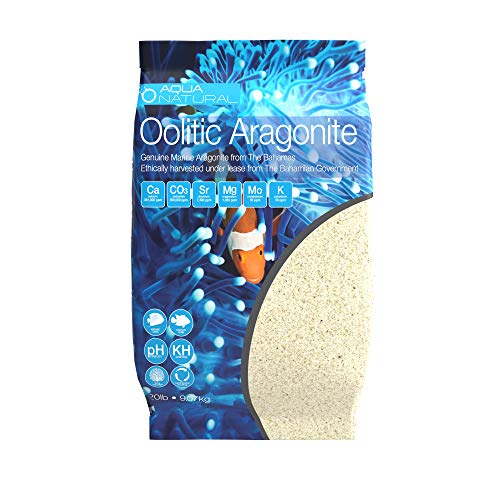
This larger bag of oolitic aragonite sand expands your substrate area for refuges, sand beds, and front-to-back tank coverage. It shares the same buffering and purity advantages as the 10lb option, making it suitable for bigger tanks or multi-tank setups.
Eorbow Seiryu Stone Kit 12lb

Eorbow Seiryu stones are natural rocks that provide a dramatic, gray-white texture ideal for reef and freshwater displays. The kit features stones sized 2–8 inches and totals about 12 pounds, offering a mix of shapes to create caves, ledges, and varied landscapes. They are cleaned and prepared to minimize mineral dissolution in water.
Unocho Slate Stone Aquarium Rocks 5lb

Natural slate rocks bring a dark, textured contrast to reef and freshwater setups. The slate pieces are shaped by nature, offering unique forms that resist pH shifts and soften aesthetic transitions between substrate and decor. Ideal for both aquariums and terrariums requiring durable, long-lasting rocks.
KINGRUI Seiryu Natural Stone Collection

Kingrui Seiryu rocks offer strong, durable hardscape with elegant white and gray veining. Their natural, weather-resistant composition helps maintain stable water conditions and provides an appealing focal point in aquascapes, terrariums, and bonsai-inspired displays.
Buying Guide: Key Purchase Considerations
- Tank size and substrate needs: Choose aragonite sand in 10lb or 20lb bags based on your tank’s footprint and desired depth. For larger tanks, a mix of sand and larger Seiryu rocks can create a natural look with stable chemistry.
- Water chemistry impact: Aragonite sands buffer pH and alkalinity, which is essential for reef inhabitants. Rocks labeled Seiryu or dragon stone typically have low dissolution risk but should be rinsed before use to remove dust.
- Aesthetic goals: Seiryu stones provide dramatic textures and patterns. Slate and other natural rocks add contrast, while uniform sands create smooth, pristine substrate for sand-dwelling fauna.
- Durability and permeability: Natural stones should be free of contaminants and stable under aquarium conditions. Avoid rocks known to leach metals or alter water hardness significantly.
- Installation and maintenance: Plan for safe placement to prevent shifting in the tank. Substrate depth, rock layering, and the creation of caves or overhangs influence filtration flow and coral or fish behavior.
- Cleaning and preparation: Rinse sands thoroughly before adding to the tank. Stones should be scrubbed and rinsed to remove surface dust. Some vendors recommend a brief soak to reduce dust.
- Compatibility with inhabitants: Ensure the chosen rocks do not release minerals that could harm sensitive invertebrates or corals. Natural stones with neutral pH impact are generally safer for diverse reefs.
- Availability and sizing: Consider the mix of sizes for rocks (2–8 inches) and the total stone weight to achieve a balanced aquascape without overcrowding filtration.
Additional Considerations
When selecting substrates and rocks for a dry rock setup, balance aesthetic appeal with ecological stability. Substrate shape and particle size influence gas exchange, detritus collection, and algae growth. Rocks should be arranged to promote shelter for fish and invertebrates while maintaining water flow. In reef environments, select aragonite sands that support buffering and provide a natural habitat for beneficial microbes. Finally, verify product authenticity and read user reviews to ensure compatibility with your tank’s inhabitants and your chosen filtration system.