Need an effective aquarium fish tank cleaner to keep gravel, glass, and substrate free of waste? This guide highlights five top picks that suit common setups—from small freshwater tanks to larger community aquariums. Each product is described for who benefits most, plus practical pros and limitations to help you choose.
Overview: The following five cleaners are selected for reliability, ease of use, and suitability across common freshwater setups. The list covers gravity-fed siphons, magnetic scrapers, and multi-function cleaners. Use the quick reference table to compare key points at a glance.
| Product | Best For | Key Benefit |
|---|---|---|
| Tetra Water Cleaner Gravel Siphon | Small to mid-size tanks | Simple gravel siphon for 30% water changes every month |
| AQUANEAT Double Sided Sponge Brush | Algae control with long reach | Two-sided scrubber handles algae quickly |
| Aqueon Algae Scraper | Glass or acrylic tanks | Magnetic scrubber for outside cleaning |
| Laifoo 5ft Siphon Vacuum | Gravel and sand sediment removal | Long hose with detachable filter screen |
| AQQA 6-in-1 Gravel Cleaner | All-in-one water changes and cleaning | Powerful flow with multiple functions |
Tetra Water Cleaner Gravel Siphon for Aquariums
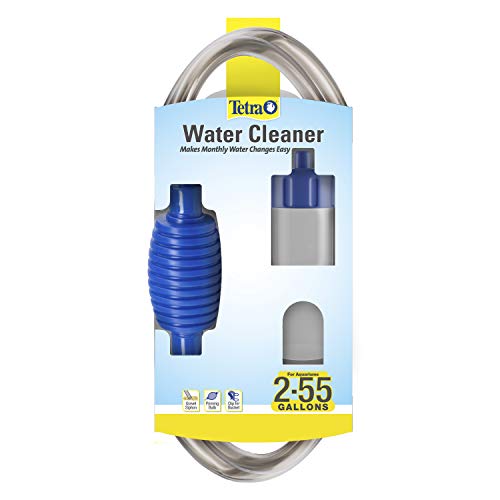
Best for compact to mid-size freshwater setups, this gravel siphon simplifies routine maintenance. It allows easy removal of dirty water while siphoning debris from the substrate. The kit is compatible with tanks up to 55 gallons, making it an economical option for many hobbyists.
Who it’s best for: beginners and casual keepers looking for a straightforward water change tool that reduces maintenance time. Why selected: its simple design minimizes setup and reduces time spent on monthly changes.
Caution: ensure steady guidance during siphoning to avoid disturbing plants or fish, and prevent siphoning loose decorations.
AQUANEAT Fish Tank Cleaning Tools

This double-sided sponge brush is designed for flexible algae control with a long handle. The high-quality sponge surface helps remove algae quickly, while the durable plastic handle provides a comfortable, non-slip grip. It’s a practical option for tanks with hard-to-reach panes.
Best for: aquariums requiring frequent algae management without heavy tools. Why selected: versatile scrubbing action on both sides enables efficient cleaning from outside the tank.
Limitation: this tool focuses on surface cleaning; it does not replace substrate cleaning or water changes.
Aqueon Aquarium Algae Scraper
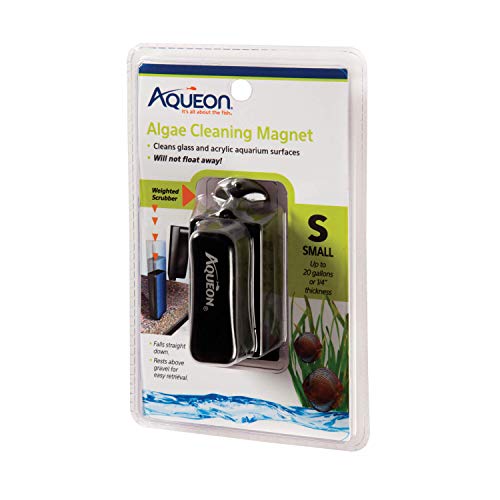
Magnetic cleaners let you scrub the aquarium interior from the outside. The curved pad cleans both flat and curved surfaces, and the design reduces the risk of dropping tools into the tank. It’s suitable for glass or some acrylic surfaces depending on the pad you choose.
Best for: safer, hands-off cleaning in glass tanks. Why selected: the magnetic pairing minimizes water disturbance and keeps maintenance simple.
Caution: occasional internal magnet separation may cause retrieval concerns if not properly managed during cleaning sessions.
Laifoo 5ft-S Aquarium Siphon Vacuum Cleaner

Designed for gravel and sand, this siphon offers a 5-foot hose with durable, anti-kink construction. The built-in filter screen prevents fish and decor from being sucked up while enabling siphoning of turbid water and waste. It’s a practical pick for medium to larger tanks.
Best for: hobbyists needing a reliable, longer siphon for larger tanks. Why selected: strong hose and internal filter help protect fish and reduce clog risk.
Limitation: may require manual hand priming for initial start and occasional clearing of the filter screen if debris accumulates.
AQQA 6-in-1 Aquarium Gravel Cleaner

This multi-function cleaner handles water changes, sand washing, debris removal, tank scrubbing, and water filtration with a single unit. It features a 320 GPH pump for fast water movement and a filter cup to trap waste. Ideal for tanks requiring frequent maintenance in one tool.
Best for: users who want an all-in-one cleaning solution. Why selected: consolidates several tasks, saving time and space in the cleaning routine.
Limitation: higher upfront cost and more components to manage compared to single-function siphons.
Buying Guide: Choosing the Right Aquarium Cleaner
Key considerations when selecting a cleaner include tank size, substrate type, and maintenance frequency. For gravel and sand substrates, reliable siphons with filtration help minimize water disruption and avoid disturbing inhabitants. Magnetic scrapers are ideal for glass or acrylic tanks where outside-cleaning efficiency matters. All-in-one cleaners suit hobbyists who want to streamline tasks into a single tool.
Compatibility: ensure the cleaner you choose matches your tank dimensions and substrate. Durability—especially in handles and hoses—affects long-term use. Some tools are better for algae control, while others emphasize water changes and substrate cleaning.
Ease of use: long hoses and swiveling heads reduce strain and improve reach. Consider whether you prefer a manual siphon or a powered option for faster water changes. Safety: avoid tools with parts that could be drawn into the filter or damage delicate decor.
FAQs
- What is the best cleaner for a small freshwater tank? – A gravel siphon like the Tetra Water Cleaner or a compact magnetic scraper can be easiest for small tanks with light algae and gravel debris.
- Can I replace water and clean substrate at the same time? – Yes, tools like the AQQA 6-in-1 provide water changing and substrate cleaning in one workflow.
- Do magnetic scrapers work on acrylic tanks? – Magnetic scrapers can work on some acrylic surfaces, but check the pad compatibility to prevent scratching.
- Is a longer hose better for larger tanks? – Longer hoses improve reach and reduce disturbance, especially in bigger tanks with tight spaces.
- How often should I perform water changes? – Most hobbyists perform monthly 20–30% water changes, adjusting to tank bioload and plant life as needed.