Answering the question, “What phosphate control options work best in reef tanks?” this guide highlights five accessible products designed to reduce reactive phosphate and support coral health. The selections include liquid phosphate removers, granular ferric oxide media, and a fluidized reactor setup for efficient media use. Each choice is paired with who it’s best for, practical considerations, and a clear why-it-works rationale. This article helps hobbyists compare options for heavily stocked systems, mixed SPS/LPS setups, and those seeking ongoing maintenance with minimal routine intervention.
| Product | Best For |
|---|---|
| Brightwell Aquatics Phosphat-E Liquid Phosphate Remover | Reef and marine-fish-only tanks needing quick dose-based reduction |
| Kolar Labs GFO Bayoxide E33 Phosphate Remover (454g) | Systems using GFO media for steady, ongoing phosphate control |
| TL Reefs GFO Phosphate Remover (454g) | Saltwater or reef tanks needing a budget-friendly GFO option |
| Granular Ferric Oxide (GFO) Bayoxide E33 (567 g) | Media-based phosphate removal with extended life for larger displays |
| TL Reefs Fluidized Media Reactor (4″ diameter) | Medium to large tanks seeking efficient, automated media processing |
Brightwell Aquatics Phosphat-E Liquid Phosphate Remover
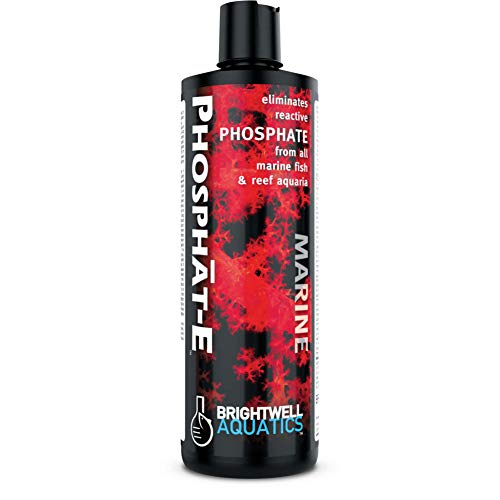
Features include enhanced phosphate elimination to assist in control for heavily stocked aquariums and immediate reduction of reactive phosphate. It is described as safe for all reef inhabitants and marine-fish-only tanks, with ongoing use possible for sustained phosphate reduction. After treatment, test kit readings may briefly show false positives, and temporary cloudiness can occur—both described as normal and not indicating failure.
Best for: Reef tanks with higher phosphate loads or aggressive feeding regimes where quick, precise dosing is preferred. This option suits users who want a ready-to-use liquid remover without adding solid media to a reactor.
Why selected: It provides fast phosphate reduction and is specifically marketed for reef environments, aligning with maintenance routines in busy systems.
Caution: Expect possible brief cloudiness and potential false positives on some phosphate tests immediately after dosing.
Kolar Labs GFO Bayoxide E33 Phosphate Remover (454g)
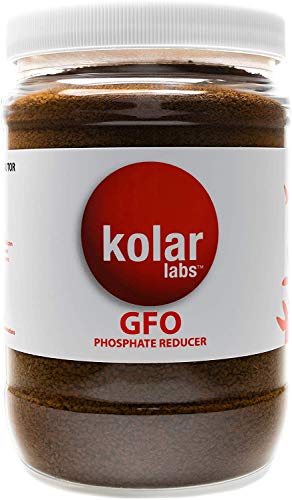
Designed with high-purity Bayoxide E33 granular ferric oxide, this product emphasizes reduced fines for cleaner handling and efficient phosphate removal in both saltwater and freshwater systems. It’s positioned as safe for a wide range of aquariums, including reef tanks and ponds, making it adaptable for mixed systems.
Best for: Hobbyists who prefer a solid GFO media with predictable phosphate reduction in either freshwater or saltwater setups. It pairs well with standard media reactors and external filtration schemes.
Why selected: The emphasis on higher purity and reduced fines supports smoother operation in reactors and reduces potential flow blockages in compact plumbing.
Caution: GFO media can become exhausted over time; monitor phosphate levels and replace as levels rise to avoid backsliding phosphate spikes.
TL Reefs GFO Phosphate Remover (454g)

Key feature: permanently bonds phosphate and won’t leach back into aquarium water once installed. The recommended use is to rinse prior to setup. A simple dosing guideline is provided: use 1/2 cup per 50 gallons and monitor phosphate, replacing media as levels begin to rise.
Best for: Systems seeking a straightforward, low-maintenance media solution with a clear replacement cadence to maintain low phosphate levels in a reef or mixed tank.
Why selected: The permanent binding characteristic helps prevent phosphate rebound, which is attractive for tanks facing persistent nutrient challenges.
Caution: Follow rinsing instructions to minimize dust and initial cloudiness; the product requires monitoring and scheduled replacement for consistent results.
TL Reefs Premium Biopellets for Aquarium (1.5 lbs)

This product offers 100% pure PHA biopellets designed for aquaria use. It naturally reduces phosphate and nitrate levels, working through biological processes to support a cleaner water column. It is described as safe for all fish and corals.
Best for: Systems looking for a biological approach to nutrient control, potentially reducing the need for chemical media as a longer-term strategy.
Why selected: Biopellets can be effective for dual nutrient reduction, aligning with refugia and nutrient export strategies in more mature reef systems.
Caution: Biopellet performance depends on reactor design and flow; improper setup can limit efficiency.
Granular Ferric Oxide (GFO) Bayoxide E33-1.25 lbs

This product emphasizes rapid phosphate removal with a focus on maintaining water clarity and proper filtration. It highlights heavy metal adsorption to support reef health and offers extended performance life compared to some conventional media.
Best for: Larger display tanks or systems that require reliable media performance with longer cycles between changes.
Why selected: The combination of rapid phosphate removal and extended life can simplify maintenance in busy reef setups with high bioload.
Caution: Ensure compatibility with your reactor and flow rates; high flow can reduce contact time and overall efficiency.
TL Reefs Fluidized Media Reactor 4″ Diameter

Designed for internal or external sump use, this reactor features a tight-sealing lid, high-quality acrylic, and precision seams for water-tight operation. It supports upflow fluid movement for even, gentle media tumbling and includes 1/2″ threaded fittings to simplify plumbing integration with dedicated pumps.
Best for: Medium-to-large reef systems seeking an automated, efficient means to process GFO, carbon, or biopellets with consistent contact time and minimal manual intervention.
Why selected: A fluidized reactor improves media utilization and reduces dust, wastage, and handling effort—key for busy tanks with ongoing nutrient control needs.
Caution: Proper setup is critical for achieving even flow; follow installation guidance to prevent channeling or dead zones.
Buying Guide: Phosphate Control For Reef Tanks
- Liquid removers provide rapid, controlled dosing ideal for quick responses in high-load tanks. Media like GFO works best for long-term, steady phosphate reduction when paired with a reactor or filter system.
- What tank size and bioload affect your choice? Larger tanks with higher bioloads benefit from a reactor and robust GFO media. Smaller tanks may get by with a liquid remover or smaller media packs, but watch for cloudiness and dosing schedules.
- Is a reactor necessary? A reactor offers automated, consistent media contact and can reduce manual maintenance, especially in busy systems. If you lack space or prefer simple setups, a high-quality liquid remover can be a practical alternative.
- What are common drawbacks? Liquid removers can cause temporary cloudiness or test-interference; GFO media requires monitoring for breakthrough and proper replacement timing; biopellets require reactor compatibility and flow management.
- How to monitor phosphate effectively? Use reliable phosphate test kits and track trends after introducing phosphate control measures. Expect fluctuations during initial adjustments and after media changes.
FAQ
- What is phosphate removal used for in reef tanks? It limits algal overgrowth and supports coral health by keeping nutrient levels in check.
- Can I use multiple phosphate control methods at once? Yes, but stagger introductions to monitor interactions and avoid over-reduction of nutrients.
- How often should GFO be replaced? Replacement depends on tank load, but monitor phosphate levels and replace when rising toward target levels.
- Is a cloudy appearance after dosing normal? Temporary cloudiness can occur with certain products; it typically clears without impacting effectiveness.
- Do these products work with all reef tanks? Most work across marine and reef systems, but confirm compatibility with your specific equipment and stock.