Sounds like you want reliable additives to keep your fish tank thriving. This guide highlights five vetted products suited for freshwater and saltwater aquariums, with clear reasons for each pick. Whether you’re maintaining a marine setup or stabilizing tap water before a new batch of fish, these items help support water chemistry, fish health, and tank cleanliness. Target buyers include beginners building a new tank and seasoned hobbyists seeking dependable conditioners and salts.
| Product | Best For | Key Benefit |
|---|---|---|
| Instant Ocean Sea Salt 50 Gallons | Marine aquariums; reef and fish-only setups | Delivers major, minor, and trace elements for marine life |
| Seachem Prime Fresh and Saltwater Conditioner | Both freshwater and saltwater setups | Chlorine/chloramine removal and detoxification of ammonia |
| API TAP WATER CONDITIONER | New water prep; tap water safe for fish | Neutralizes chlorine, chloramines, and chemicals |
| Tetra Aquarium Salt | Freshwater tanks and goldfish; stress relief | Adds electrolytes; reduces stress for fish |
| MICROBE-LIFT Special Blend | Freshwater and saltwater tanks; routine maintenance | Supports clearer water; reduces waste and odors |
Instant Ocean Sea Salt 50 Gallons
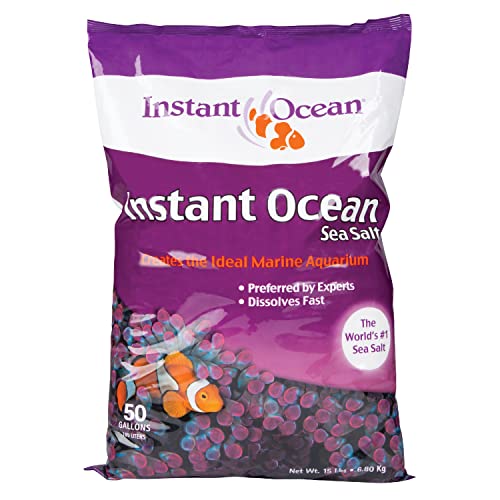
Best for marine aquariums requiring a complete trace-element profile. Instant Ocean Sea Salt is formulated specifically for marine aquariums and includes major, minor, and trace elements essential for reef-safe and fish health. It dissolves fast, offering a ready-to-use solution for quick water changes. This product is a solid choice for saltwater setups that need predictable salinity and stable water chemistry. Caution: ensure full dissolution before use to avoid sediment in the aquarium.
Seachem Prime Fresh and Saltwater Conditioner

Best for both freshwater and saltwater setups needing robust detoxification. Seachem Prime is a complete conditioner that removes chlorine and chloramine and detoxifies ammonia, nitrite, and nitrate for up to 48 hours. It supports biofilter function while protecting fish during water changes or tap-water introduction. Limitation: Prime does not replace the need for proper tank maintenance; use as part of a broader water-management routine.
API TAP WATER CONDITIONER Aquarium Water Conditioner

Best for quick, safe tap-water conditioning. API Tap Water Conditioner neutralizes chlorine, chloramines, and additional chemicals to make tap water safe for fish. It helps prevent stress and gill irritation when introducing fresh water. It’s a practical first step for new tanks or water-change routines. Limitation: It is a conditioner, not a substitute for ongoing chemical management or proper filtration.
Tetra Aquarium Salt for Freshwater Tanks

Best for freshwater fish such as tropical species and goldfish that benefit from added electrolytes. This salt blend is formulated specifically for freshwater tanks and helps support fish health by reducing stress. Use with caution in non-freshwater setups. Best for hobbyists seeking a straightforward electrolyte boost rather than a full marine salt mix.
MICROBE-LIFT Special Blend Aquarium Water Care

Best for routine water care across freshwater and saltwater tanks. This treatment helps keep tanks cleaner by reducing odors and enhancing clarity. It also reduces waste and nitrates by breaking down organic matter, including uneaten food and sludge. Limitations: Not a substitute for regular water changes; follow directions to avoid overuse in heavily stocked setups.
Buying Guide: Key Purchase Considerations
What type of tank are you maintaining? Marine systems require mineral-rich salts (like Instant Ocean) and water conditioners to manage salinity and trace elements. Freshwater tanks benefit from conditioners that remove chlorine and detoxify ammonia, while some hobbyists also use electrolyte salts to support goldfish and tropical species. Consider the product’s intended use, compatibility with your water source, and whether you need a conditioner, salt mix, or both. For beginners, start with a reputable conditioner (like Seachem Prime or API Tap Water Conditioner) and a salt mix appropriate for your tank type. For experienced aquarists, pairing a water conditioner with a quality salt blend provides flexibility and quicker emergency adjustments.
How important is fast dissolution and ease of use? Some salts dissolve quickly and clearly, while others require longer stirring or more thorough premixing. If you perform frequent water changes, a fast-dissolving option reduces downtime. If you routinely match salinity levels, choose a salt product with clear labeling of salinity targets and compatibility with your tank’s inhabitants.
What about safety and maintenance? Always follow label directions and perform small water changes to monitor how new products affect your tank. Consider products that support both maintenance and fish health, such as buffers or conditioners, in addition to salts. Keep a log of water parameters to detect trends and be prepared to adjust dosages for changes in stock or seasonal shifts in water chemistry.
Frequently Asked Questions
- Do I need salt for freshwater tanks? Salt is not required for most freshwater tanks, but some products labeled as freshwater salts can provide electrolytes to reduce fish stress in certain species. Use only as directed.
- Can I mix different brands of water conditioners? Mixing conditioners is generally not recommended unless the labels explicitly allow it. Follow only the instructions provided by each product’s manufacturer.
- How quickly should I dissolve instant ocean salt? Dissolve completely in a large volume of water before adding to the tank to avoid concentrated pockets that can harm fish.
- Is Prime suitable for all fish? Prime is designed for both freshwater and saltwater setups and detoxifies ammonia. It is widely used during water changes and when introducing new water.
- What should I do if my tank parameters drift after adding salt? Test water parameters after adding any salt or conditioner. If deviations occur, perform controlled water changes and reassess dosing according to product instructions and tank needs.
- How often should I use a water conditioner? Use a conditioner as part of routine water changes or when using tap water. Do not rely on conditioners alone to maintain long-term water quality.