Answering the question: what clean up crew should you choose for a saltwater tank? This guide highlights practical options that help manage algae, detritus, and waste. It targets hobbyists new to reef tanks and seasoned aquarists building a balanced cleanup crew. The focus is on safe, reef-friendly choices that fit nano to larger systems, with guidance on ideal tank conditions, compatibility, and when to avoid certain picks.
Top picks at a glance:
| Product | Best For | Why It’s Recommended |
|---|---|---|
| Live Hermit Crabs (20+) | Minniature to small tanks needing active scavengers | Algae grazing, detritus removal, engaging tank residents |
| Astrea Turbo Snails (Packs) | Glass and rock algae control in reef systems | Efficient nuisance algae eaters with reef compatibility |
| Live Hermit Crabs (x50) | Conversational cleaners for larger or mixed tanks | High activity and shell-switching behavior aids cleanliness |
| API STRESS ZYME | Water column maintenance and sludge reduction | Supports cleaner water and reduces organics |
| API ALGAEFIX | Algae control for green and slimy blooms | Fast-acting control of common nuisance algae |
20+ Live Small Marine White-Legged Hermit Crabs Reef Safe Algae Eaters

Best for small or nano reef setups needing active scavengers. These white-legged hermit crabs graze on nuisance algae, leftover food, and detritus to help keep substrate and rocks clean. They’re reef-safe and generally peaceful with corals and invertebrates when given ample space and extra empty shells. While small—about ½” to 1″—they exhibit high energy and shell-swapping behavior, which adds movement and micro-cleaning activity to the tank. A potential limitation is ensuring enough empty shells are available to prevent shell aggression or predation among tank mates.
Shore Aquatic Astrea Turbo Snails – Live Saltwater Invertebrates

Best for established reef tanks needing steady green growth control while staying reef-safe. Astrea turbo snails are efficient consumers of diatoms, nuisance algae, and cyanobacteria when conditions are appropriate. They’re non-aggressive and generally compatible with corals, fish, and other invertebrates. Optimal performance occurs in typical reef parameters (temperature around 72–78°F, stable salinity, and adequate calcium for shell maintenance). They may be sensitive to sudden parameter swings; acclimation helps reduce stress and increase survival in new setups.
x50 Live Small Marine White-Legged Hermit Crabs
Better for medium to larger tanks or mixed communities needing higher activity. A larger crew increases grazing coverage and detritus removal across substrates and rocks. These hermits remain reef-safe and enjoy exploring tank surfaces, shells, and crevices. Choose this option if you want a persistent, busy cleanup crew. A caution is to monitor shells and space; insufficient shells can lead to shell-conflict or stress in some individuals.
API STRESS ZYME Bacterial Cleaner

Best for tanks needing microbial-based support to reduce sludge and improve water clarity. This product claims to consume organic waste and assist in maintaining gravel and decorations cleanliness. It’s described as safe for freshwater and saltwater as part of a routine regimen, making it a versatile option for mixed tanks. Use as directed, and avoid overuse, which can temporarily alter biological balance in sensitive systems.
API ALGAEFIX Algae Control
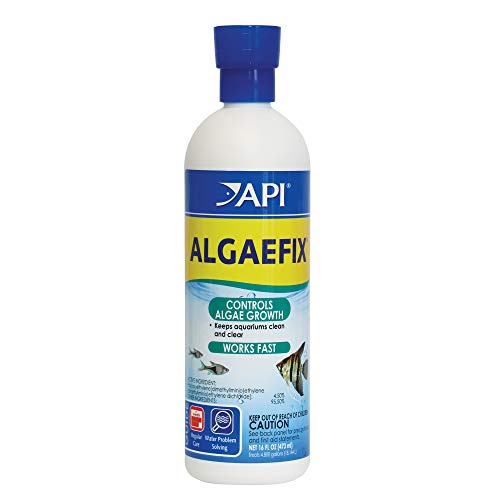
Best for rapid algae reduction in marine and reef aquariums. Algaefix targets various forms of algae including green water blooms, hair algae, and diatoms. It is designed to act quickly to keep glass, ornaments, and plants clearer. When using, ensure compatibility with invertebrates and corals in your tank, and follow dosage guidelines to prevent any unintended side effects on the ecosystem.
MICROBE-LIFT Special Blend Gift

Note: This product is included in the broader care set for water treatment and algae management. It supports cleaner water and helps reduce manual maintenance by breaking down organic waste. It’s described as safe for both fresh and saltwater ecosystems when used as directed and can be part of a routine to maintain clearer water and healthier invertebrates, fish, and corals.
Buying Guide
What to consider when building a clean up crew for saltwater tanks:
- Tank size and layout: Nano tanks need compact, mobile cleaners; larger tanks benefit from higher numbers of active grazers.
- Algae type and abundance: Green film, diatoms, or nuisance red slime call for different chewers; mix snails and hermits for broad coverage.
- Compatibility: Always check reef safety, coral and invertebrate compatibility, and availability of extra shells for hermit crabs.
- Water parameters: Regular stability in temperature, salinity, pH, alkalinity, and calcium supports healthy cleaners and shell growth.
- Maintenance balance: Use biological cleaners (like bacteria-based products) to support water quality, rather than relying solely on chemical controls.
Questions to guide your selection
- Which cleaners work best with corals and invertebrates?
- Do I need more grazing units or a diversified mix of snail and crab species?
- How many cleaners are appropriate for my tank size?
- What are the shell availability considerations for hermit crabs?
- Are chemical algae controls compatible with my vital coral growth?
FAQ
- Q: Are hermit crabs reef-safe with corals? A: Yes, when kept in adequate space with extra shells and proper acclimation, they’re generally reef-safe.
- Q: How many Astrea snails should I add? A: Start with a modest group and monitor algae levels; adjust gradually to avoid sudden bio-load shifts.
- Q: Can I mix algae-focused products with live cleanup crews? A: Yes, as part of a balanced approach, but follow usage guidelines for each product to prevent imbalances.
- Q: Do these cleaners require special lighting or feeding changes? A: Typically not; routine maintenance and stable parameters are the main drivers of success.
- Q: Should I add bacteria-based cleaners first or later? A: Bacteria-based cleaners can be added as part of ongoing maintenance; ensure compatibility with existing tank inhabitants.