Finding the right aragonite sand substrate is essential for stable pH, healthy microbial life, and natural-looking reefs. This guide highlights five top aragonite sands that are well-suited for reef, saltwater, and marine tanks. It helps distinguish who each product is best for, from beginner reef setups to advanced aquariums needing robust buffering. Use the quick summary table to compare at a glance.
| Product | Best For | |
|---|---|---|
| Coarse Aragonite 10lb Sand | Small to medium tanks, beginners | Excellent buffering; very high purity |
| Aqua Natural Oolitic Aragonite 20lb | Long-term stability, reef enthusiasts | Pure calcium carbonate; renewable, sustainable |
| Carib Sea ACS00050 Aragonite Reef Sand, 40lb | Larger tanks, robust buffering | Sturdy, supports stable pH |
| Carib Sea Fiji Pink Reef Sand, 15lb | Aesthetics-focused tanks | Smooth texture, natural appearance |
| Carib Sea Arag-Alive Bahamas Oolite, 10lb | Authentic reef feel, minimal dosing | Oolite composition aids pH balance |
Coarse Aragonite 10lb Sand for Reef, Saltwater and Marine Aquariums
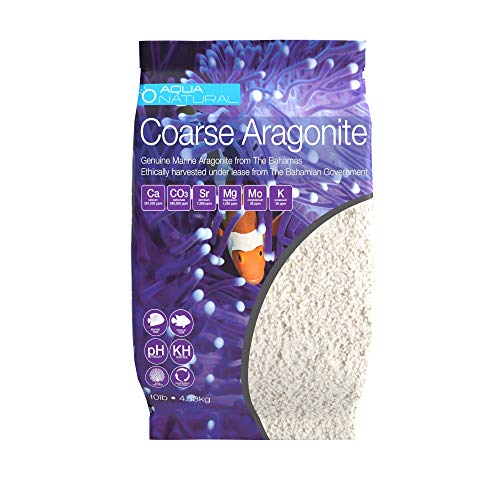
This Aqua Natural sand is designed for reliable buffering, maintaining a stable pH around 8.2. It is 98% pure calcium carbonate with no impurities, making it well-suited for reef and marine systems that require consistent chemical conditions. Best for smaller to medium tanks where steady alkalinity is a priority. A potential limitation is its coarse texture, which may not be ideal for species that prefer finer substrates.
Aqua Natural Oolitic Aragonite 20lb Aquarium Sand
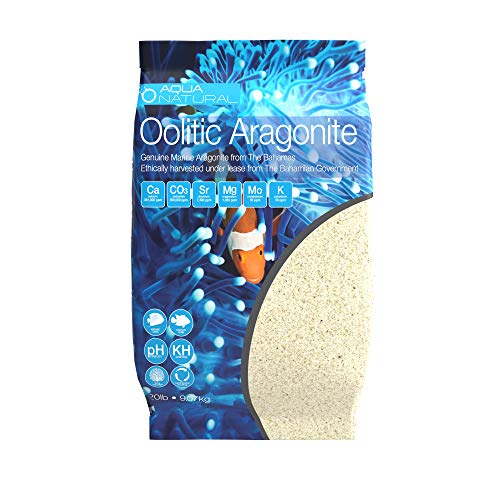
This 20-pound oolitic aragonite sand offers highly effective buffering with a stable pH near 8.2 and 98% calcium carbonate purity. It is renewable and sourced from sustainable materials, making it a solid choice for hobbyists who value eco-friendly substrates. Better for users who want a long-lasting aragonite option, but be mindful of its heavier mass for initial setup in very small tanks.
Carib Sea ACS00050 Aragonite Reef Sand for Aquarium, 40-Pound
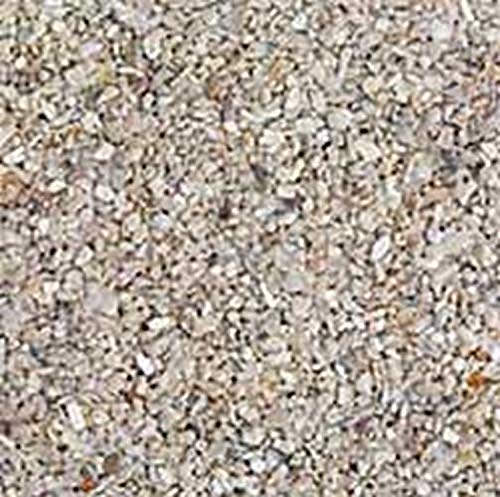
Designed for marine aquariums and hard water setups, this 100% aragonite sand helps stabilize pH and reduces detritus buildup thanks to its grain structure. It’s well-suited for larger tanks needing a robust bulk substrate. Choose this if you have a bigger system and want a steady, long-lasting substrate, but note the heavier weight and broader footprint may require more initial preparation.
CaribSea Arag-Alive Bahamas Oolite Aquarium Sand, 10-Pound

Arag-Alive sand blends oolite aragonite with proprietary bacteria cultures to support a healthier biological process. It helps maintain proper pH and reduces the need for constant chemical dosing in many reef setups. This option is best for hobbyists seeking a natural-marine look with a built-in bio-film. A limitation is that the explicit bacterial culture claims are not independently verifiable here, so users should monitor tank health like any substrate.
Carib Sea Fiji Pink Reef Sand – 15 lb

Fiji Pink is a premium aragonite blend with a smooth texture and natural grain size of 0.5–1.5 mm, ideal for burrowing inhabitants and aesthetically pleasing tanks. It supports stable pH for reef systems while enhancing visual appeal. Best for reef enthusiasts prioritizing appearance, with the caveat that some users may prefer neutral-toned substrates for color accuracy in coral photography.
African CICHILD Aragonite 10LB, Sand

This Aqua Natural sand offers strong buffering to keep pH around 8.2 and uses 98% pure calcium carbonate sourced from renewable oolitic aragonite. It’s suitable for various marine setups and is a practical choice for hobbyists who want reliable chemical stability. Choose this if you want a compact 10-pound option that delivers dependable alkalinity support. A limitation is smaller quantity for large tanks.
LANDEN NanshaPure Natural Sand 11lbs
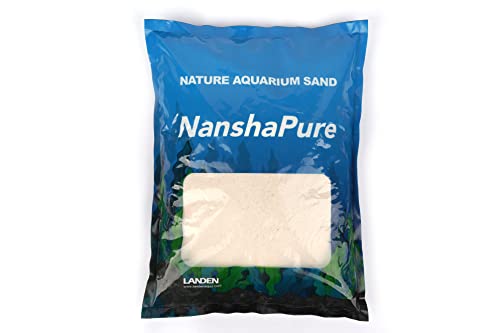
Stabilizes pH and KH with unparalleled buffering capacity. It is a natural bottom sand filter with high porosity to support nitrifying bacteria, helping to purify water by adsorbing impurities. Best for reef and hardwater aquariums seeking a natural aragonite substrate with minimal processing. It is phosphate-free and free from artificial coloring, making it safer for sensitive species.
AquaNatural African CICHILD Aragonite 20LB

This 20-pound option emphasizes buffering and a stable pH around 8.2, using a naturally renewable oolitic aragonite composition. It’s better for mid to large setups where longer-lasting buffering is valuable. Avoid this if you need a very fine substrate for very small or delicate burrowers; the grain size is generally more moderate in texture.
Buying Guide
What to consider when choosing aragonite sand for a saltwater tank:
- Buffering capacity: Look for products advertised to maintain pH around 8.2 and high calcium carbonate purity.
- Grain size and texture: Fine grains suit burrowing species; coarser textures help with detritus control in larger tanks.
- Impurities: Choose sands labeled as free from metals, ash, pesticides, or silica to avoid chemical disturbances.
- Sustainability: If eco-friendliness matters, prefer sands noted as renewable or sustainably sourced.
- Tank size and needs: Larger systems often benefit from bigger bags or bulk sand; smaller tanks benefit from lighter options for handling.
FAQ
- What is aragonite sand best used for in marine tanks?
Aragonite sand provides buffering to stabilize pH and alkalinity, supporting reef health and stable water chemistry.
- Is all aragonite sand suitable for reef aquariums?
Most aragonite sands are suitable, but look for reef-specific formulations or oolitic blends for enhanced buffering and biotic support.
- How much aragonite sand should I add to a reef tank?
General recommendations vary by tank, but a typical depth range is 1–2 inches for smaller tanks and 2–4 inches for larger setups, adjusted for bioload and coral placement.
- Can aragonite sand affect lighting or algae growth?
Substrate color and grain can influence appearance; buffering does not directly drive lighting or algae, but balanced water chemistry supports healthier corals and less nuisance algae.
- Are there risks with using aragonite from various sources?
Choose products with clear purity statements and avoid sands with additives or contaminants to minimize potential chemical disturbances.
For reef keepers and hobbyists, selecting the right aragonite sand involves balancing buffering strength, grain texture, and tank size. The products listed here offer varied densities, textures, and ecological benefits to suit a range of saltwater and marine aquarium setups. Use the buying guide to compare options against your tank’s needs and intended inhabitants.