For planted aquariums, selecting the right substrate is essential. The best choices promote robust plant growth, stable pH, and a healthy habitat for shrimp and small fish. This guide highlights five substrates well-suited for plant-friendly setups, with buyer-focused notes on who benefits most and why each was selected.
The following table summarizes the five products chosen for ease of comparison. It lists primary use, ideal tank type, and a key benefit to help you decide quickly.
| Product | Best For | Key Benefit | pH Impact |
|---|---|---|---|
| Fluval 12694 Plant and Shrimp Stratum (8.8 lb) | Freshwater planted tanks with shrimp | Promotes robust plant growth and quick beneficial bacteria growth | Neutral to slightly acidic |
| Fluval 12693 Plant and Shrimp Stratum (4.4 lb) | Small to medium planted tanks with shrimp | Rapid nitrifying colonization; shelter for newborn shrimp | Neutral to slightly acidic |
| Fluval Betta Stratum Substrate (1.76 lb) | Spectacularly planted Betta tanks | Nutrient-rich for plant growth; betta-friendly particle size | Softened water; stable pH |
| Aqueon Plant and Shrimp Substrate (5 lb) | General planted tanks and shrimp habitats | Stable foundation with premium clay-based substrate | Supports natural parameters |
| Aqua Natural Galaxy Sand Bio-Substrate (5 lb) | Sand-based setups with bio-start | Seeded with bio-active nitrifying bacteria | Cycles aquarium instantly |
Fluval 12694 Plant and Shrimp Stratum for Freshwater Tanks

Best for: Medium to larger planted tanks with shrimp. This substrate fosters robust plant growth by supporting root penetration and nutrient absorption. Its porous structure also encourages rapid colonization of beneficial nitrifying organisms, contributing to a healthier aquarium ecosystem.
Why selected: It combines essential plant nutrition with a biology-friendly substrate profile. The neutral to slightly acidic pH range supports a variety of aquatic plants, tropical fish, and shrimp commonly kept in planted setups.
Limitations: In very small tanks, the larger volume of this formula may require extra care with substrate lighting and water flow to prevent compaction.
Fluval 12693 Plant and Shrimp Stratum (4.4 lb)
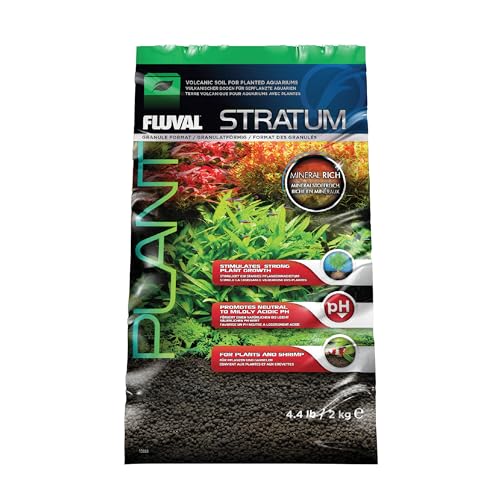
Best for: Small to mid-sized planted tanks with shrimp. It emphasizes rapid beneficial colonization of nitrifying bacteria, supporting a stable, healthy environment for inhabitants.
Why selected: Its porous structure is explicitly designed to foster beneficial microbial growth, while still maintaining a favorable pH for plants and invertebrates. It also provides a habitat-friendly substrate for newborn shrimp.
Caution: The lighter 4.4 lb package may need replenishment sooner in high-demand setups or larger tanks.
Fluval Betta Stratum Aquarium Substrate (1.76 lb)

Best for: Betta tanks with live plants. The substrate size is tailored for small tanks and helps ciptional behaviors in bettas, while promoting plant growth through nutrient-rich volcanic soil.
Why selected: It stabilizes water parameters and softens water, helping create a comfortable environment for bettas alongside thriving greenery.
Limitation: The smaller bag size may be insufficient for largerBetta setups or heavily planted displays; consider mixing with other substrates in bigger tanks.
Aqueon Plant And Shrimp Substrate
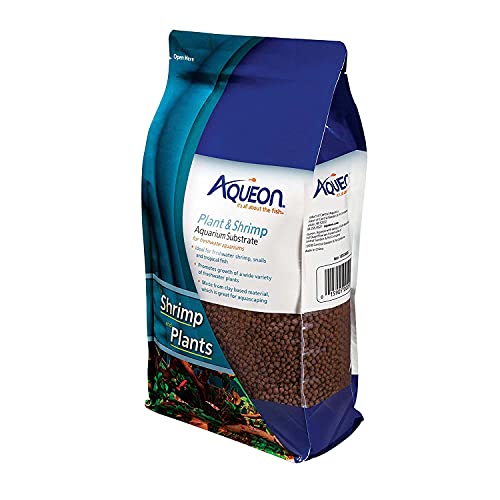
Best for: General freshwater planted tanks and shrimp habitats. The premium clay-based substrate maintains its spherical shape and prevents rapid breakdown.
Why selected: It provides a stable foundation for plant roots and supports a natural environment for a variety of species, enhancing overall tank health.
Limitation: Clay-based substrates can require rinsing before use to minimize initial cloudiness in the tank.
Aqua Natural Galaxy Sand Bio-Substrate

Best for: Sand-based aquariums that benefit from seeded nitrifying bacteria. This substrate is ideal for those seeking instant biological cycling with a light, natural look.
Why selected: Seeded with bio-active live nitrifying bacteria, it speeds the start-up phase and can help establish a healthy biofilter quickly.
Limitation: Sand substrates can trap detritus more easily; regular maintenance and careful substrate depth planning are advised to prevent anaerobic pockets.
Buying Guide
What should you consider when choosing an aquarium substrate for plants?
Plant health depends on nutrients, root penetration, and stable water conditions. Look for substrates with nutrients that support roots and a porous composition that encourages beneficial bacteria.
What tank size and inhabitants affect your choice?
Larger tanks may benefit from heavier, nutrient-dense substrates to reduce debris buildup. Tanks with shrimp or bettas often require substrate that won’t harm delicate invertebrates or interfere with natural behaviors.
How important is pH stability?
Many plant species and shrimp prefer a neutral to slightly acidic environment. Substrates marketed as such can help simplify pH management and maintain stable conditions over time.
Should I choose seeded or unseeded substrates?
Seeded options include beneficial bacteria that jump-start the cycling process. If opting for unseeded substrates, plan for a longer biofilter establishment period.
Maintenance considerations
Clay-based or nutrient-rich substrates may require careful rinsing before first use. Sand-based options need regular cleaning to prevent compaction and detritus buildup.
What about compatibility with shrimp and bettas?
Substrates designed for shrimp or betta tanks consider particle size and water parameters favorable to these species, reducing stress and enhancing activity and plant uptake.
Summary tips for selecting
- Choose substrates with nutrients and roots-friendly textures for robust plant growth.
- Favor neutral to slightly acidic pH compatibility for a broad plant and invertebrate appeal.
- Consider tank size and inhabitants to balance nutrient load and maintenance needs.
- Seeded options can shorten cycling time, especially in new setups.
Frequently Asked Questions
- What substrate is best for aquatic plants and shrimp? Substrates designed for plant growth and shrimp health, such as those labeled Plant and Shrimp Stratum, are commonly recommended due to nutrient content and favorable pH ranges.
- Do I need to rinse substrates before use? Yes, especially clay-based or fine-grain substrates, to minimize cloudiness.
- Can I mix different substrates? Yes, mixing can tailor nutrient availability and substrate texture to your tank’s needs, while keeping a natural look.
- Will seeded substrates cycle my aquarium instantly? Seeded substrates help establish beneficial bacteria but may not fully replace a complete cycle in very new tanks.
- Which substrate is best for a Betta tank? Betta-stratum style substrates are sized for small tanks and support plant growth without creating rough textures that irritate bettas.
- How much substrate should I use? Aim for a depth that supports root growth and stability for your selected plants, typically a few inches for most setups.