Answering the question, the best aquarium sand for betta fish depends on cleanliness, grain size, and how it interacts with the tank’s biology. This guide highlights five substrates that balance aesthetics, safety, and functional benefits for bettas. The top picks include pre-washed sands, bio-substrates, and visually striking options. Each product is explained for who it’s best for, plus practical considerations to help you choose.
Summary table of selected products
| Product | Best For | Key Benefit | Size |
|---|---|---|---|
| Aqua Natural Sugar White Sand 10lb | Beginners and planted tanks | Triple washed, kiln dried; low fines | 10 lb |
| Aqua Natural Sugar White Sand Bio-Substrate 5lb | New tanks and immediate cycling | Seeded with nitrifying bacteria | 5 lb |
| YISZM Aquarium Sand, Beige 2lb | Small tanks with natural look | Soft beige color; safe for aquatic life | 2 lb |
| GloFish Aquarium Sand 5 Pounds, Black | Dunky décor with lighting effects | Fluorescent highlights for glow under blue LEDs | 5 lb |
| Aqua Natural Diamond Black 10lb | Dark substrate for contrast | High surface area; good for bacteria growth | 10 lb |
Aqua Natural Sugar White Sand 10lb Substrate

This sand is triple washed and kiln dried for low fines and minimal clouding. It is 0.5-1 mm in size, dense, and free of toxins or foreign matter. Best for beginners and planted tanks that need a stable, clean base with easy maintenance.
Best for: Betta hobbyists seeking a clean, natural white look that stays put in the tank. Better for: tanks that require minimal sand movement and reduced maintenance. Choose this if: you want a bright base that works well with most décor and plants.
Caution: White sand can show waste more readily; regular cleaning helps maintain clarity. Provides a natural white backdrop that highlights fish colors effectively.
Aqua Natural Sugar White Sand Bio-Substrate 5lb

This substrate is seeded with bio-active nitrifying bacteria to help start and support the nitrogen cycle. It can be used as a primary substrate or mixed with other sands. It’s designed to cycle the aquarium more quickly than sand alone.
Best for: New aquariums needing faster stabilization. Better for: betta setups that want immediate beneficial bacterial activity. Choose this if: you value a substrate that assists early biological balance.
Caution: Bio-active sands rely on established biological communities; extremely new tanks may still require monitoring as bacteria establish themselves.
YISZM Aquarium Sand, Beige 2lb

Beige sand presents a natural look that pairs well with live plants and rocks. It comes in multiple weights to fit tanks of various sizes and is processed to be safe for aquatic life, providing a comfortable substrate for fish and other inhabitants.
Best for: Small tanks or aquariums where a natural, low-contrast substrate is desired. Better for: bettas wanting a subtle, earthy backdrop. Choose this if: you prefer a softer, organic appearance.
Caution: Availability of multiple sizes means you should match the weight to your tank volume to avoid excessive substrate in shallow setups.
YISZM Aquarium Sand, White 2lb

This white variant shares the same benefits as the beige option, providing a crisp, bright ground that helps show colors distinctly. It’s offered with multiple weight options for flexible tank planning and plant compatibility.
Best for: Bettas with vivid color patterns who benefit from strong contrast against a pale substrate. Better for: readers seeking a clean, bright aquarium base. Choose this if: you want a brighter, modern look without sacrificing safety.
Caution: White sand can reveal detritus quickly; routine maintenance is key to preserving clarity in the display.
GloFish Aquarium Sand 5 Pounds, Black
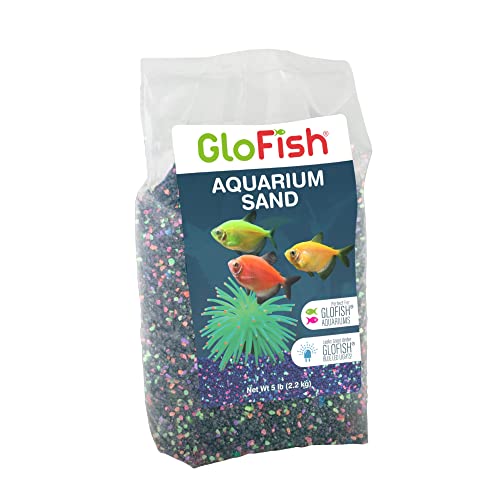
This sand features a black base with fluorescent highlights designed to glow under GloFish blue LED lighting. It creates a dramatic, colorful backdrop for décor and ornaments, especially in themed displays.
Best for: Bettas in showy, illuminated setups where color accents matter. Better for: decorative conformance with glow-in-the-dark lighting. Choose this if: you want a striking, modern look that benefits from blue LED accents.
Caution: The glowing effect is dependent on lighting; without appropriate LED lighting, the sand appears more subdued.
Aqua Natural Diamond Black 10lb

Diamond Black provides a high-surface-area substrate that supports beneficial bacteria and contrasts well with planted tanks. The 1-2 mm range is suitable for betta setups that seek a darker, dramatic base while maintaining ease of cleaning.
Best for: Bettas with colorful fins needing strong contrast against a dark substrate. Better for: planted or mixed tanks where dark tones enhance visual depth. Choose this if: you want a substantial dark base that helps highlight fish color.
Caution: Dark substrates may show certain debris more than lighter sands; routine siphoning helps maintain clarity.
Buying Guide: Key Considerations For Betta Tank Substrates
- Grain size: Bettas are comfortable with fine to medium grains (roughly 0.4–1.5 mm). Very fine sand can compact, while larger grains may trap debris.
- Color and contrast: Light sands brighten the tank and highlight betta colors; dark sands create depth and showcase fins, plants, and décor.
- Safety and rinsing: Look for sands described as washed, kiln dried, or toxin-free to minimize clouding and contaminants.
- Biological support: Substrates seeded with bacteria or that promote bioactivity can help establish the tank’s nitrogen cycle, especially in new setups.
- Compatibility with plants: If you plan live plants, consider substrates with adequate nutrients or blends that support root growth and stability.
- Maintenance: Sands with lower fines reduce dusting; plan for routine siphoning during water changes to maintain clarity.
- Tank size and depth: Choose substrate weight and depth that suits your tank volume to prevent substrate from compacting or clouding.
Frequently Asked Questions
- What sand is best for a betta in a bare tank?
Choose a clean, low-fines sand with a comfortable grain size (0.5–1 mm) to minimize clouding and provide a stable substrate for digging and foraging. - Should I use bio-active substrate for my betta tank?
Bio-active substrates can help establish beneficial bacteria faster, which is helpful for new tanks or tanks that have recently been re-scaped. - Is dark sand better than white sand for bettas?
Both have advantages: dark sand creates depth and highlights fish color, while white sand brightens the scene and can enhance plant greens. - How much substrate do I need for a 10-gallon betta tank?
A 1–2 inch (2.5–5 cm) layer is common; adjust based on your tank’s décor, plants, and whether you plan a planted setup. - Can bettas dig in sand?
Yes, bettas can dig in sand; ensure the grain size is not too coarse to grind on their fins and that the sand is safe and free of toxins. - Will sand cause cloudiness?
Pre-washing and choosing low-fines sands reduces cloudiness; however, minor clouding can occur after initial filling and should clear within a day or two with proper filtration.